Blog

  • Today’s Shot 198

    Today’s Shot 198

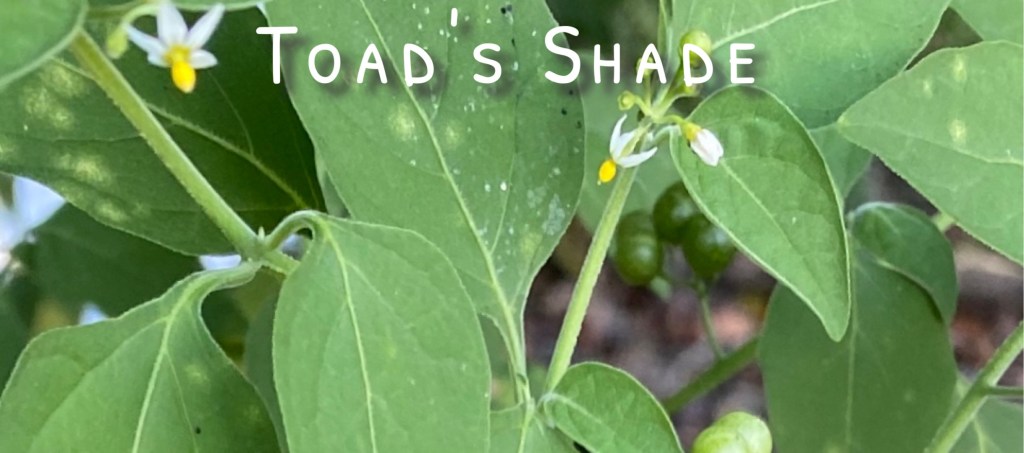
    Toad’s Shade

    Black nightshade berries and flowers

    🌿Cee’s Flower of the Day – FOTD🌿


    Solanum americanum, or Black nightshade, has family members we know well, such as tomatoes and eggplants. It has been called Garden nightshade, American black nightshade, Common nightshade, Petty morel, Glossy nightshade, Apple of Sodom, Small-Flowered nightshade, Common purple nightshade, Hound’s berry, and The Black Toad. This plant has, many times, been synonymously referred to as Solanum nigrum. Like other humble-looking garden plants such as the dandelion, its leaves provide shade for garden toads.

    Misconception

    This plant has been confused with the black, berry-producing plant called belladonna (also used as medicine – such as in homeopathic remedies), which is very poisonous and often called, “deadly nightshade”. While there are very toxic nightshades, the ripe, Black nightshade berries and young greens have been used for food. Also referred to as, Wonderberries or Sunberries, they have been made into sauces and jams and the plant is also considered to have medicinal properties. *The green berries can be toxic.


    “Do not mistake the deadly nightshade for this, if you know it not, you may then let them both alone.” – – Nicholas Culpepper


    Noticing the Difference

    Belladonna berries, and the bracts (calyx) at the base of the berries, are much larger on the Deadly nightshade than on the the Black nightshade plant. Photos showing the difference between the Black Nightshade and Belladonna. The flowers of the belladonna are also different than the Black Nightshade.

    Of course, when in doubt… do not eat unknown berries or plants. The ripe, Black nightshade berries from my picture were sweet but we didn’t dare eat much from it until we read more about the plant.


    Be well, be safe, and happy foraging friends!

    ©  Pilgrimage Studio
  • Today’s Shot 197

    Today’s Shot 197

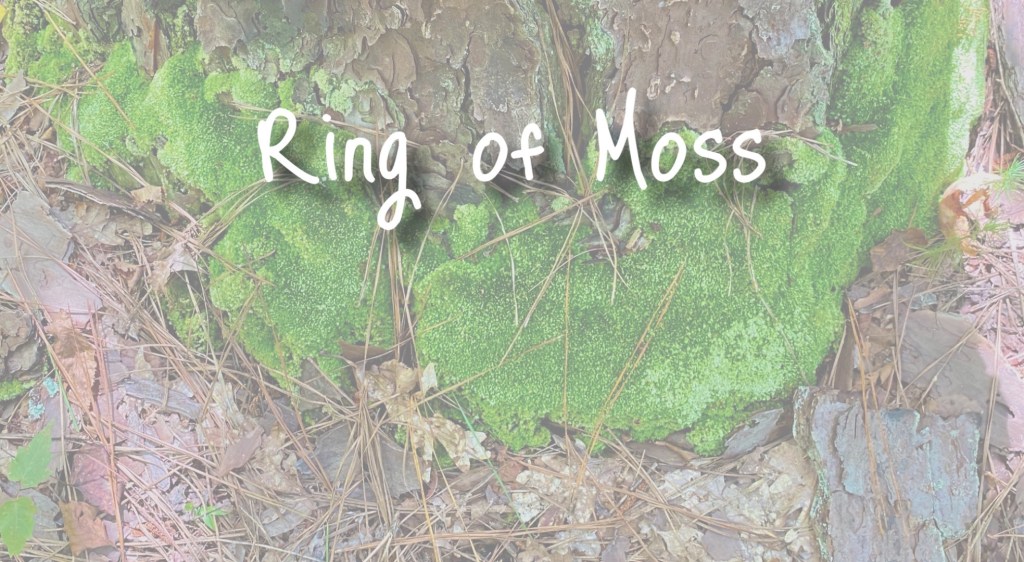
    Ring of Moss

    Ring of moss at the base of a tree
    Quail Habitat

    Here we gather round

    The Pine Council is here found

    Barefoot on the ground


    ©  Pilgrimage Studio
    Be well, be safe and happy weekend! 🌟
  • Today’s Shot 196

    Today’s Shot 196

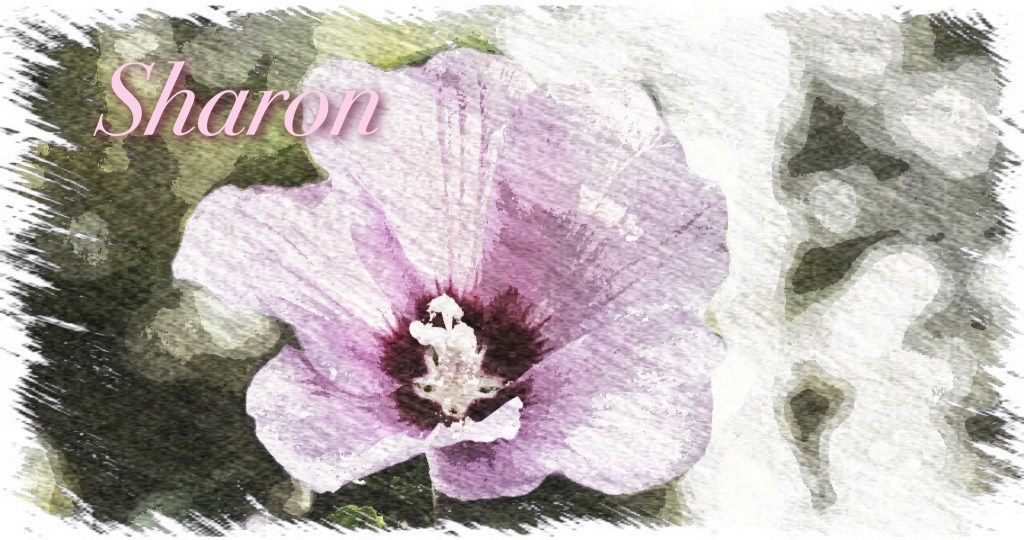
    Sharon

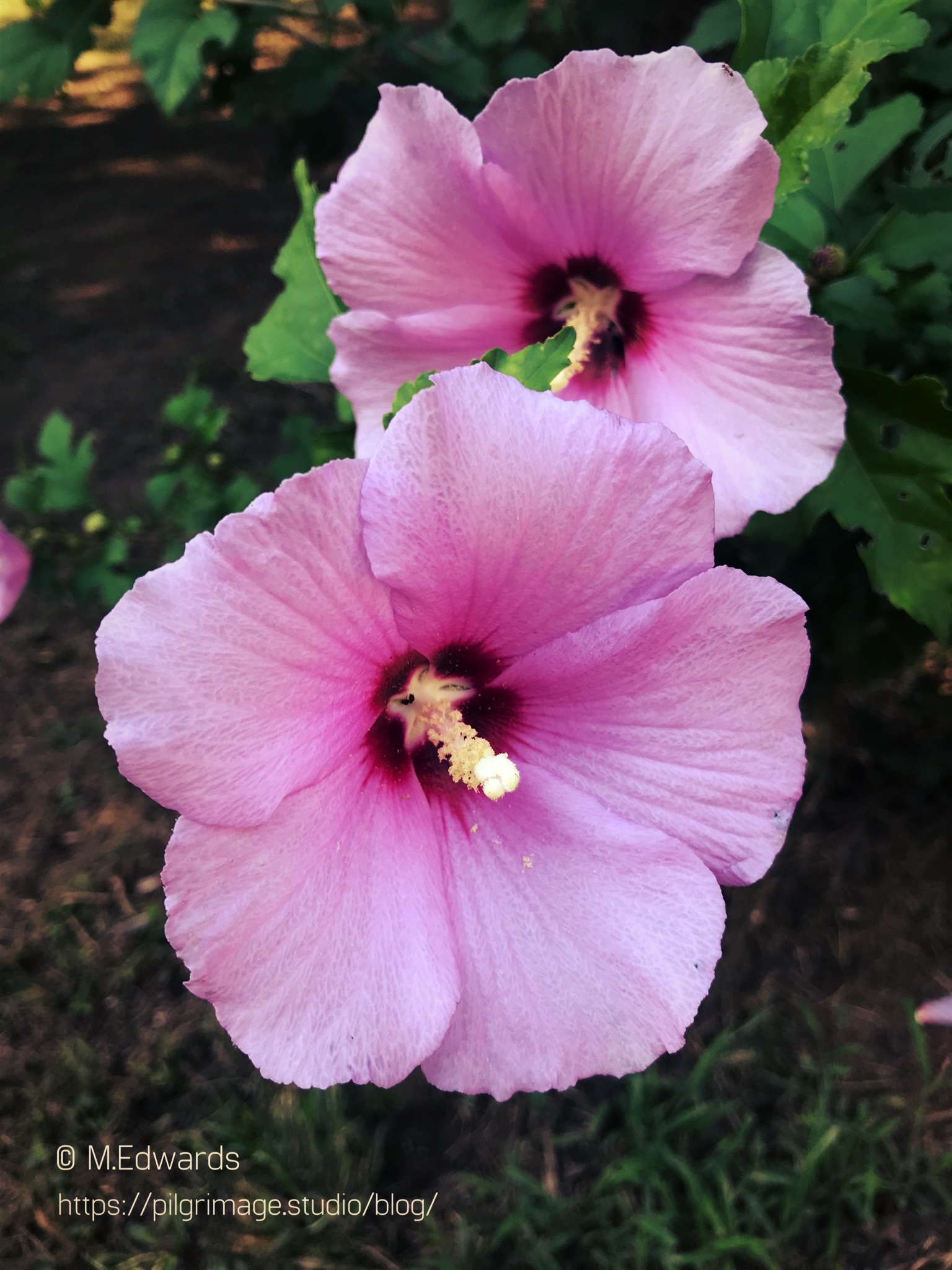
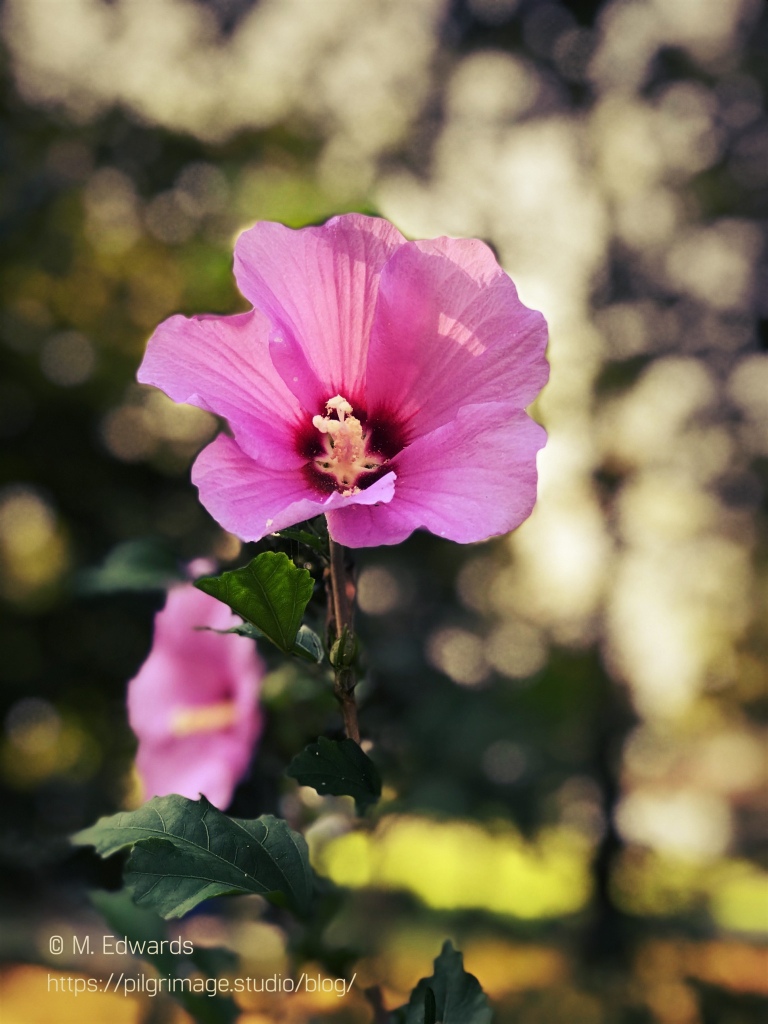
    Rose of Sharon
    Rose of Sharon

    Hibiscus syriacus or Althaea syriacus, better known as Rose of Sharon or Common Hibiscus, is potentially toxic to animals, but its leaves, flowers and bark are edible to humans and have medicinal properties. It is a part of the hibiscus or mallow family. This shrub / tree is also known as the “Hardy Hibiscus” as it can survive challenging conditions.


    🌸 Cee’s Flower of the Day – FOTD🌸


    Flowering Rose of Sharon
    Rose of Sharon
    © Pilgrimage Studio
  • Today’s Shot 195

    Today’s Shot 195

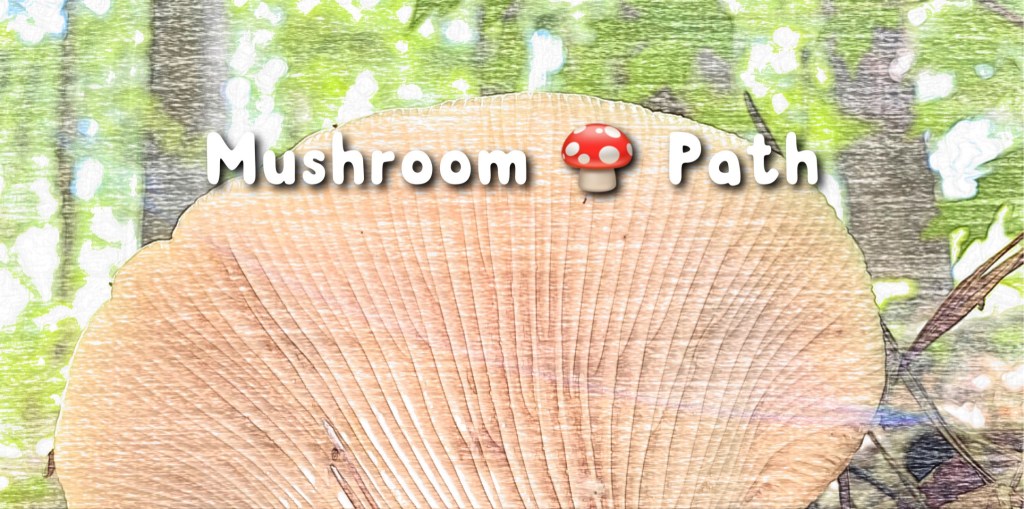
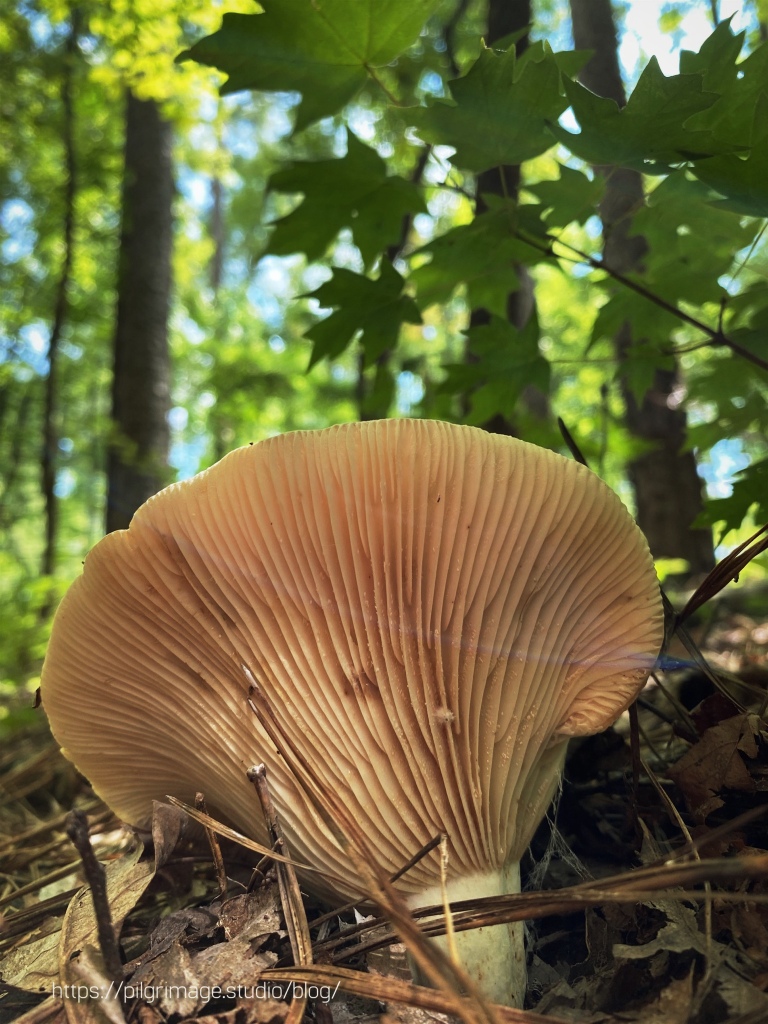
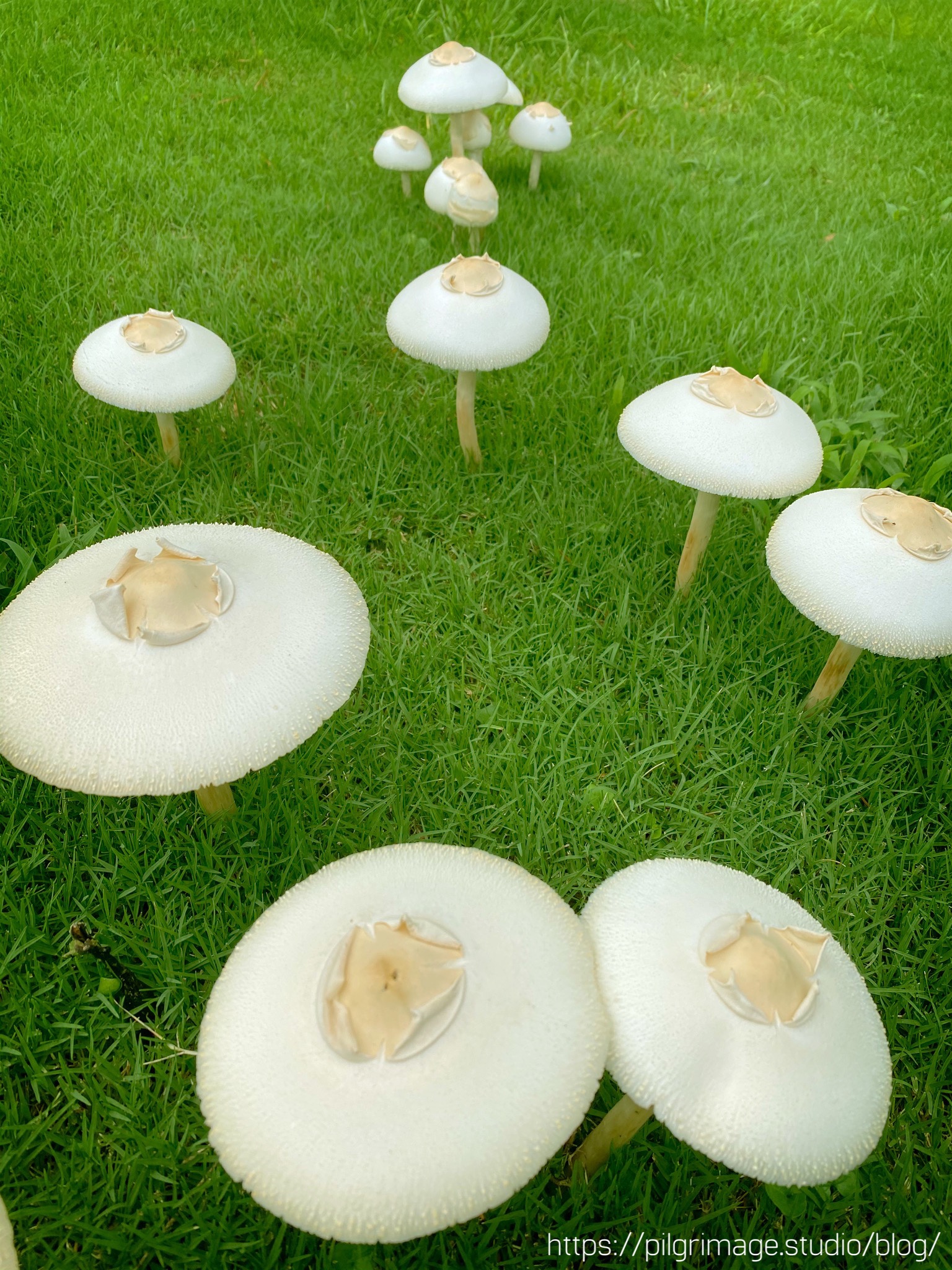
    Down Mushroom Path

    Large mushroom

    🍄 Cee’s Flower of the Day – FOTD 🍄


    Nature alone is antique, and the oldest art a mushroom. – Thomas Carlyle

    One-Liner Wednesday

    © Pilgrimage Studio
  • Today’s Shot 194

    Today’s Shot 194

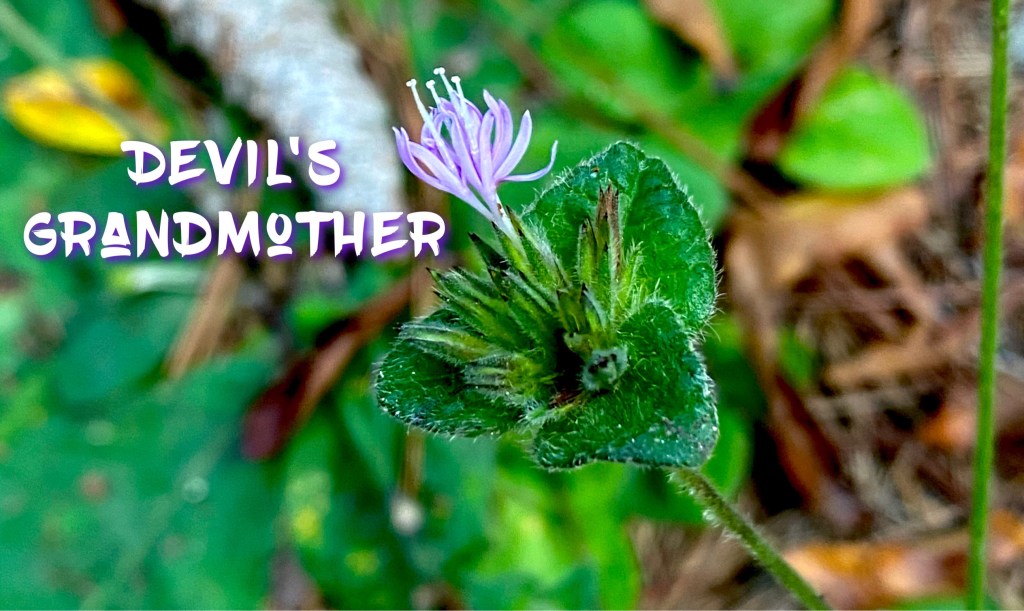
    Devil’s Grandmother

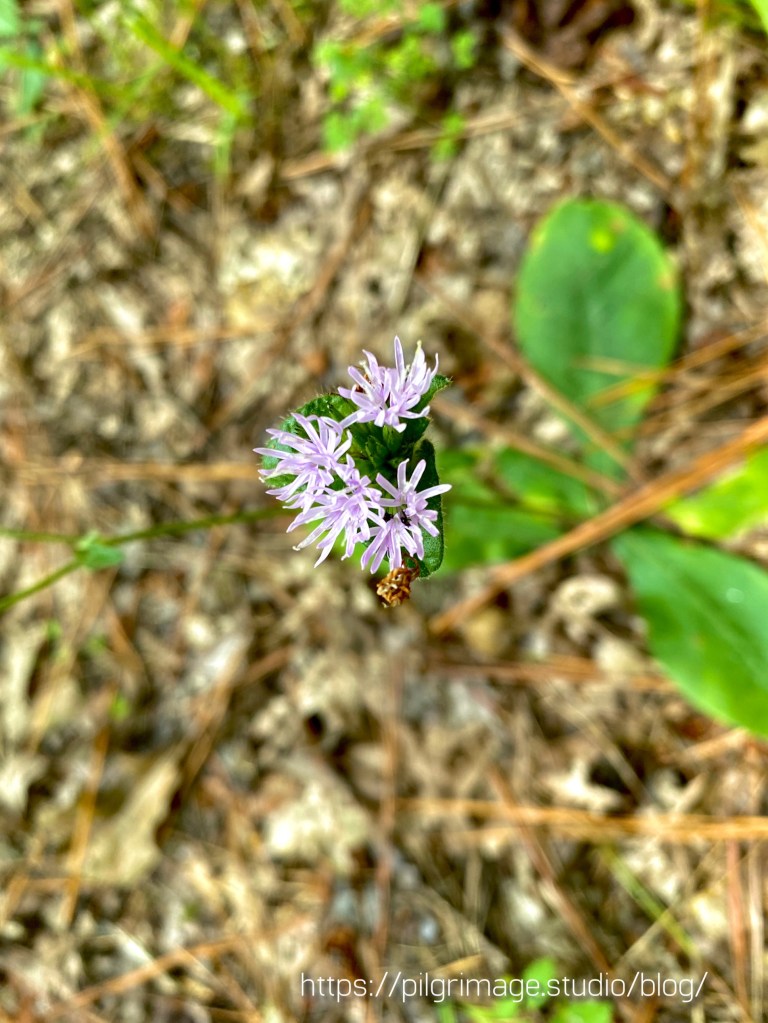
    Devil’s Grandmother

    Elephantopus tomentosus, is better known as: Wooly Elephant’s Foot, Wooly-Leaved Elephant’s Foot, Devil’s Grandmother, Soft Elephant’s Foot, Tobacco Weed, or Hairy Elephant’s Foot.


    🌿 Cee’s Flower of the Day – FOTD 🌿


    Devil’s Grandmother Blooms
    © Pilgrimage Studio
  • Today’s Shot 193

    Today’s Shot 193

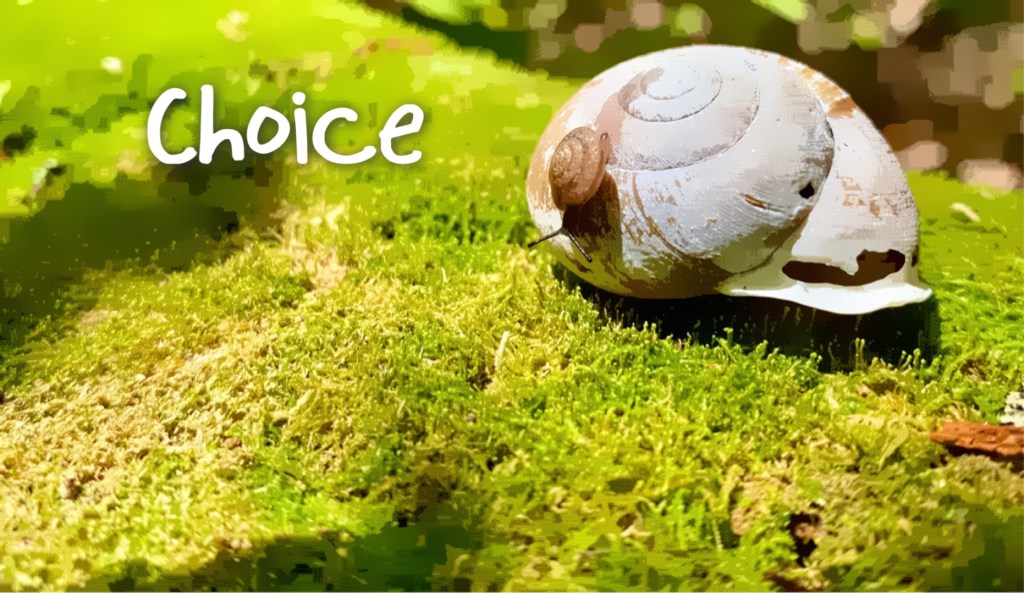
    Choice

    Baby snail crawling on top of an empty snail shell
    Snail on a Snail – Quail Habitat

    Thank you M for a wonderful walk through the woods 🍄 🐌♥️


    What is Important to you?

    No goals – killing time

    Too many goals – time is short

    Values help the choice


    “The difficulty in life is the choice.”

    -George Moore


    What is most important to you right now?


    Mindful Moments ©  Pilgrimage Studio
  • Today’s Shot 192

    Today’s Shot 192

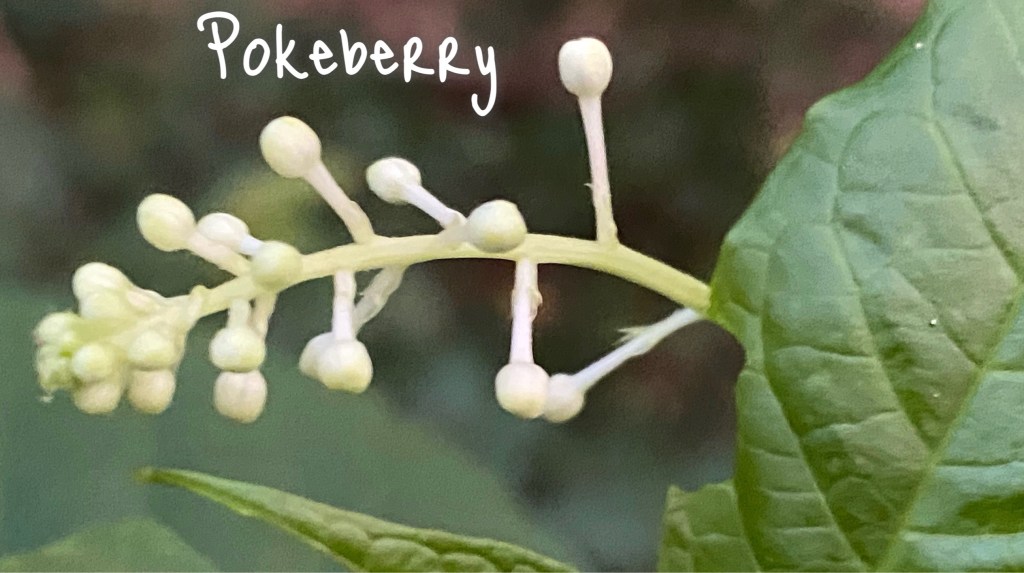
    Phytolacca americana

    Pokeberry Buds

    🍃 Cee’s Flower of the Day -FOTD 🍃

    Pokeweed, Pokeberry, American Pokeweed, Great Pokeweed, Red Ink Plant, Pigeonberry, Inkberry, Cancer Root, American Spinach, American Nightshade, Virginia Poke, Bear’s Grape

    The berries, leaves, stems, and roots of the pokeweed are all toxic to humans. Despite this fact, the early spring greens have been used, after repeated boilings (draining off the water each time) to remove toxins, in a dish called poke sallet. In past years it could even be found canned in the deep South.

    The purple berry juice (poke or pokan, meaning blood / bloody) has been used as a dye / ink. While it is considered an invasive weed, it is also cultivated by some, especially for its berries, which birds and animals enjoy. This makes it a great spot to wait for those wildlife photoshoots!


    Notes of Interest

    Each berry contains 10 seeds protected by a hard outer layer that can keep it viable for 40 years.

    Pokeberry even has a song: The Elvis version, Polk Salad Annie

    Pokeberries and Affordable Solar Power: Science Daily

    I did not realize I had a pokeberry in my yard until it reached out it’s lovely, berry fingers and painted purple designs all the way down the side of my vehicle. It has grown up surrounded by other bushes, and is now over 6-feet tall. If you get the juice on your skin, as I did while taking the photos, expect to be wearing it for a while.

    *Gloves are advised if you must handle Pokeberry to prevent toxins from being absorbed through the skin.


    © Pilgrimage Studio
  • Today’s Shot 191

    Today’s Shot 191

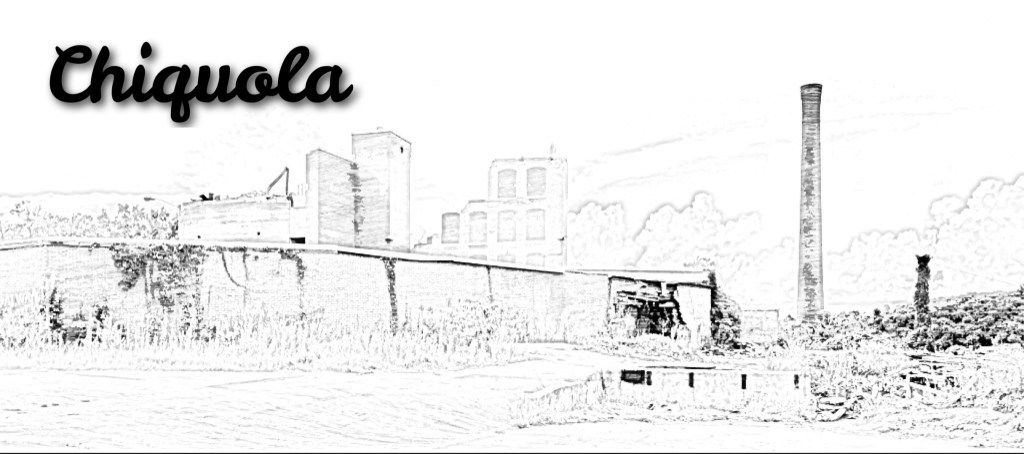
    Chiquola Mill

    My Shot of the Chiquola Mill
    Chiquola Mill. Honea Path, SC

    Travel

    The Chiquola Textile Mill opened in 1903 and operated until 2003. It is known for the tragedy that was called, “Bloody Thursday” or the “Uprising of 34”, where United Textile Workers of America organized a strike. Both men and women gathered to protest low wages and poor working conditions. At the time, it was considered to be the largest labor revolt in American history and not long after, President Franklin Roosevelt instated the 40-hour work week and minimum wage. A memorial for those killed reads, “They died for the Rights of the Working Man.”

    Chiquola Mill


    📸 August Photo a Day 27 – Distinctive 📸


    My Shot of the Chiquola Mill
    Chiquola Mill. Honea Path, SC

    © Pilgrimage Studio
  • Today’s Shot 190

    Today’s Shot 190

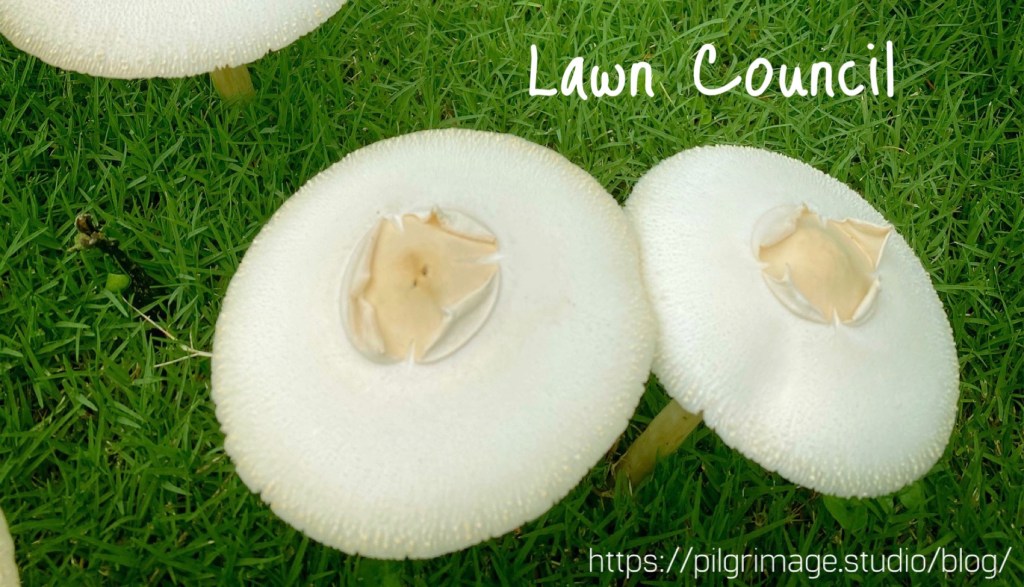
    Lawn Council

    Mushroom circle

    Plans are afoot

    The council has gathered

    This meeting is called to order


    🍄 Cee’s Flower of the Day 🍄

    © Pilgrimage Studio