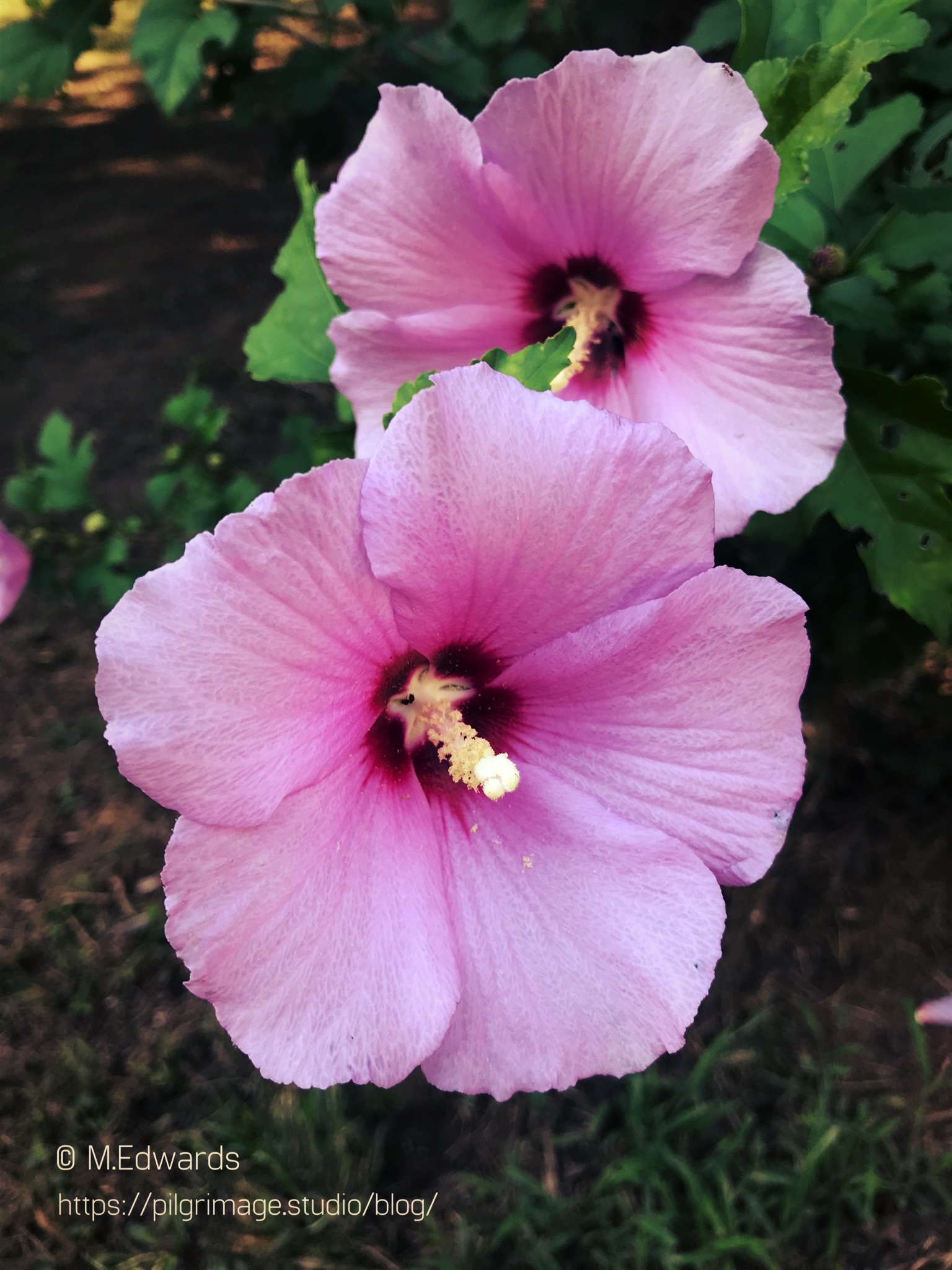
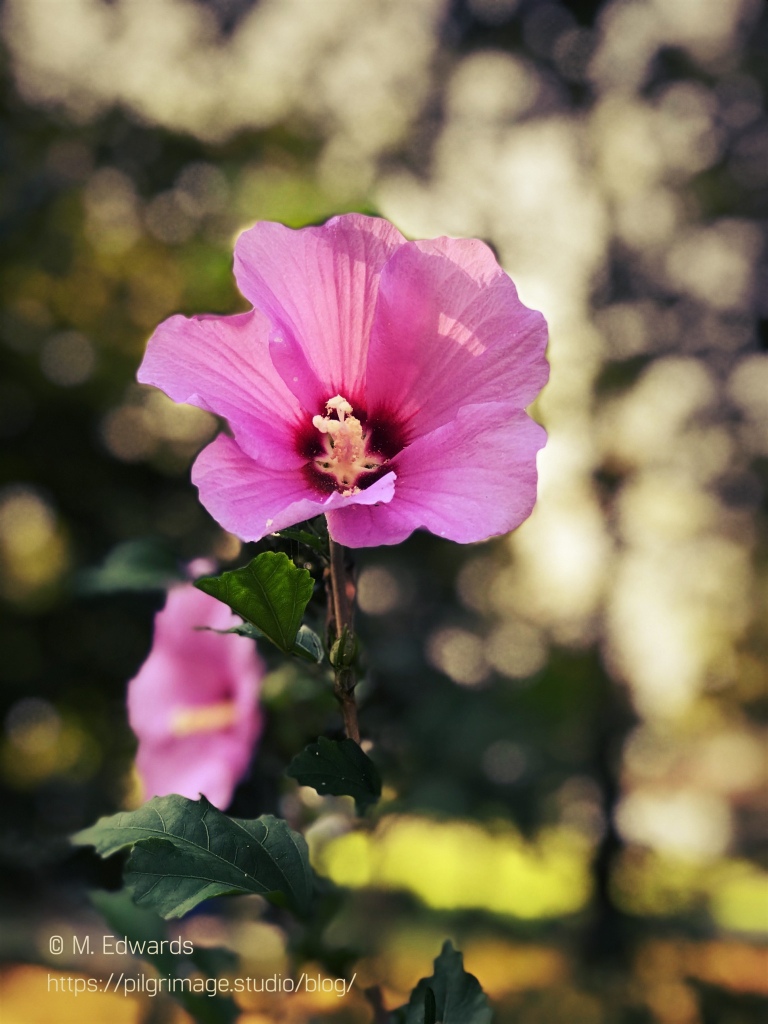
Hibiscus syriacus or Althaea syriacus, better known as Rose of Sharon or Common Hibiscus, is potentially toxic to animals, but its leaves, flowers and bark are edible to humans and have medicinal properties. It is a part of the hibiscus or mallow family. This shrub / tree is also known as the “Hardy Hibiscus” as it can survive challenging conditions.
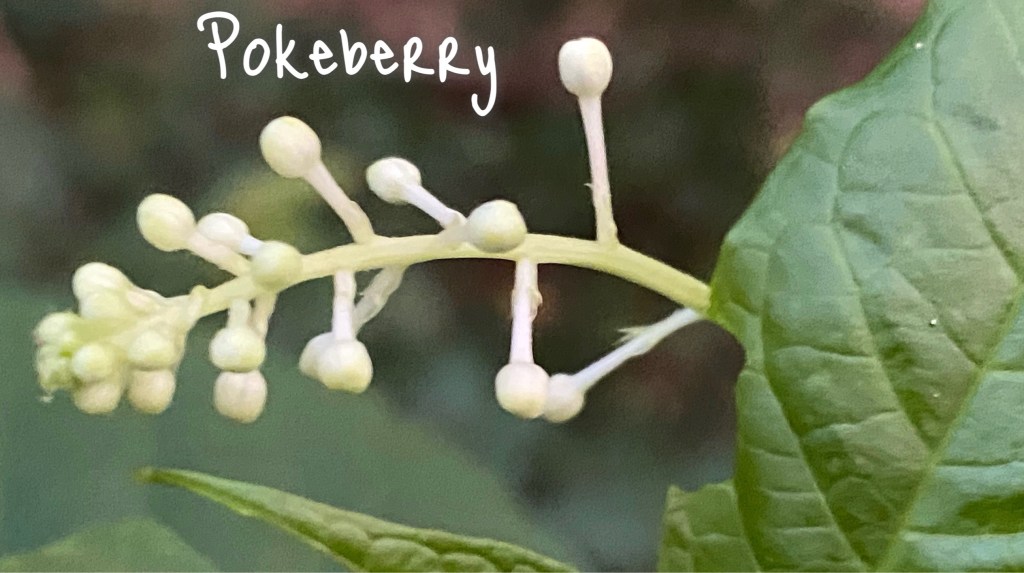
Pokeweed, Pokeberry, American Pokeweed, Great Pokeweed, Red Ink Plant, Pigeonberry, Inkberry, Cancer Root, American Spinach, American Nightshade, Virginia Poke, Bear’s Grape
The berries, leaves, stems, and roots of the pokeweed are all toxic to humans. Despite this fact, the early spring greens have been used, after repeated boilings (draining off the water each time) to remove toxins, in a dish called poke sallet. In past years it could even be found canned in the deep South.
The purple berry juice (poke or pokan, meaning blood / bloody) has been used as a dye / ink. While it is considered an invasive weed, it is also cultivated by some, especially for its berries, which birds and animals enjoy. This makes it a great spot to wait for those wildlife photoshoots!
Notes of Interest
Each berry contains 10 seeds protected by a hard outer layer that can keep it viable for 40 years.
I did not realize I had a pokeberry in my yard until it reached out it’s lovely, berry fingers and painted purple designs all the way down the side of my vehicle. It has grown up surrounded by other bushes, and is now over 6-feet tall. If you get the juice on your skin, as I did while taking the photos, expect to be wearing it for a while.
*Gloves are advised if you must handle Pokeberry to prevent toxins from being absorbed through the skin.
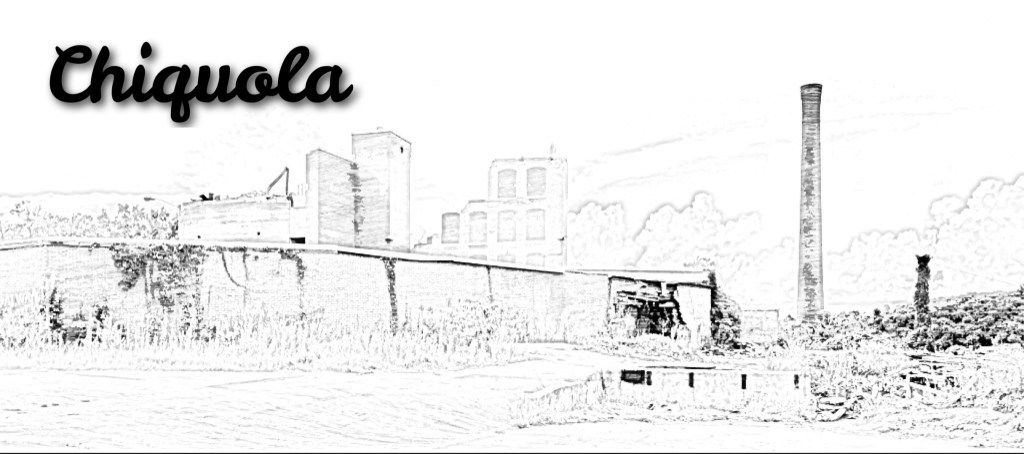
The Chiquola Textile Mill opened in 1903 and operated until 2003. It is known for the tragedy that was called, “Bloody Thursday” or the “Uprising of 34”, where United Textile Workers of America organized a strike. Both men and women gathered to protest low wages and poor working conditions. At the time, it was considered to be the largest labor revolt in American history and not long after, President Franklin Roosevelt instated the 40-hour work week and minimum wage. A memorial for those killed reads, “They died for the Rights of the Working Man.”




















 Pilgrimage Studio