Growth is a forward momentum. Like a caterpillar, we morph into new stages and spaces and spreading our wings, we learn to fly for the first time. Then we learn to fly farther and higher. Growth takes risk. Yet, the caterpillar does not worry about the next phase. Perhaps ignorance is its bliss. For us however, sometimes it is in facing challenges and moving away from our comfort zone that we learn that one of the strengths of growth, is courage.
Can “knowing too much” hinder our growth? Can blind faith be more beneficial?
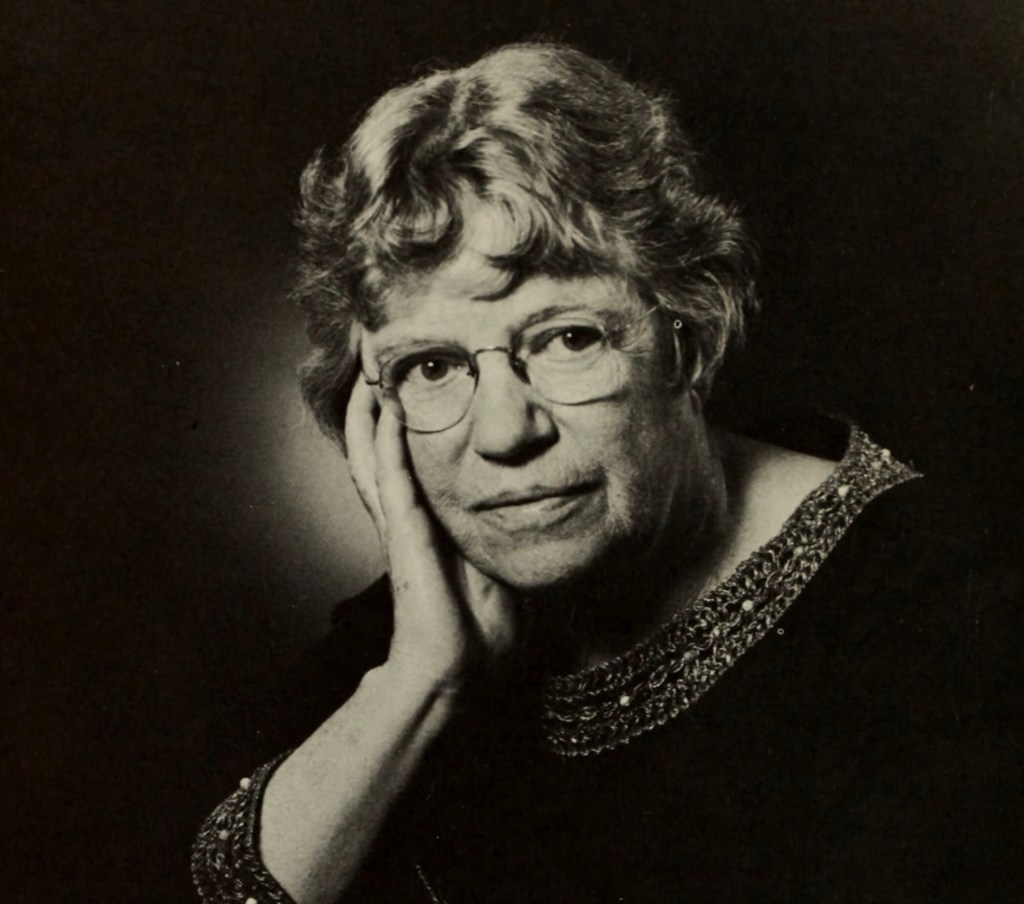
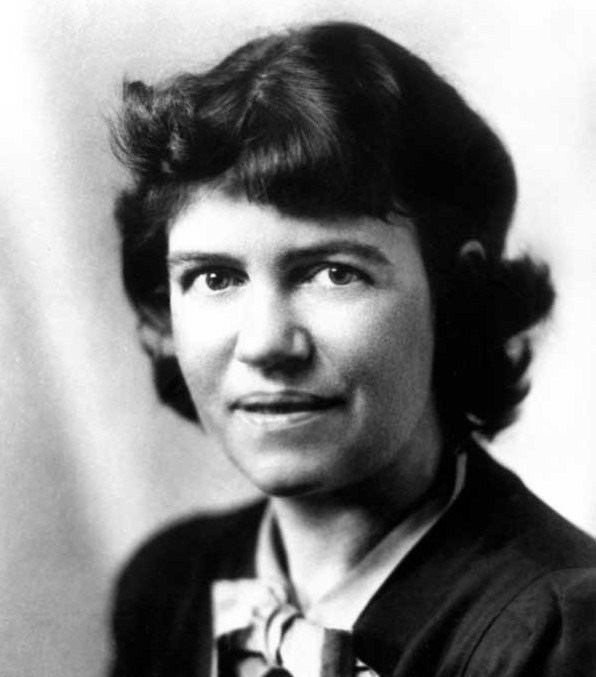
What might come to mind first is clay pottery, weapons, grinding stones, or fishhooks. Yet when the anthropologist, Margaret Mead, was asked by a student, “What is the earliest sign of civilization?” her answer was, “A healed femur.”
The longest bone in the body is the femur. It connects the hip to the knee, and takes many weeks to heal. In the animal world, if you break your leg, you die. You aren’t able to hunt, go to your water source, or protect yourself from danger. It is difficult so survive long enough for the injury to heal. In their world, where the code is: “survival of the fittest”, there aren’t healed femurs found.
A healed femur is a sign of care. Someone has set and bound the broken limb and stayed to tend, feed and nurture the wounded. They have been taken to a safe place to rest where they are protected.
The first sign of civilization, is care and compassion.
We are our highest selves when we are serving others.
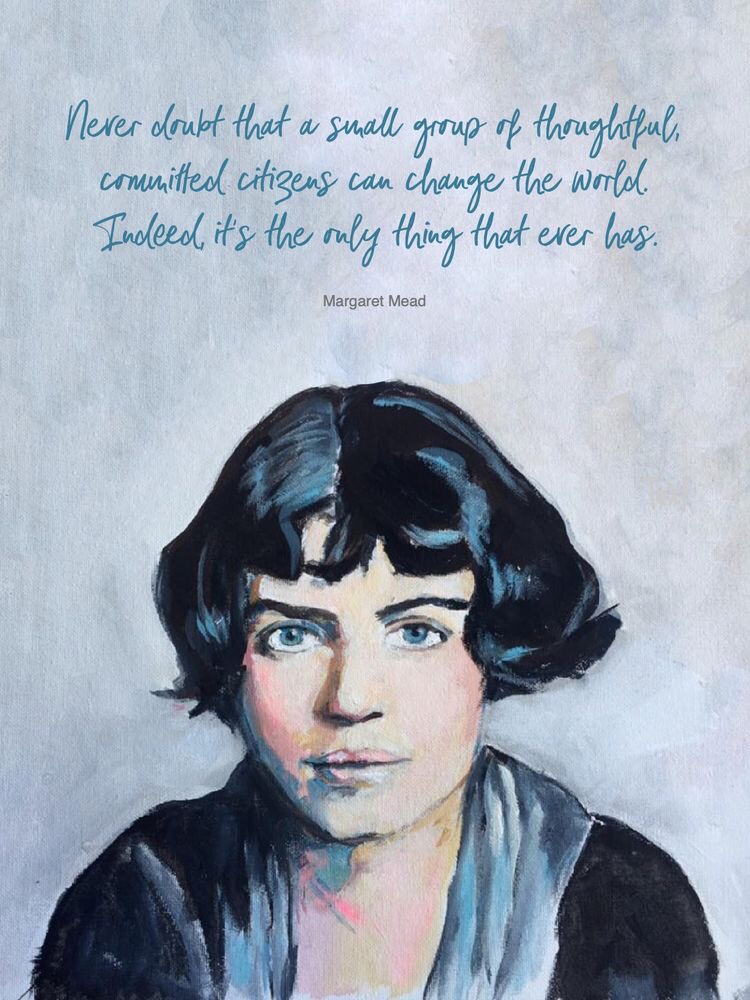
“Helping someone else through difficulty is where civilization starts,” Margaret Mead said, “Never doubt that a small group of thoughtful, committed citizens can’t change the world; For, indeed, that’s all who ever have.”
It seems that many milestones in our lives include music. We pick songs for weddings and funerals, for meditations and worship. Music can reflect different cultures and eras. It can match our mood or pick it up off the floor. From birth to death, music is a memorable part of our life.
Music, used as an alternative and complimentary health modality, is the systematic method of using music or sound to help with relaxation and encourage changes in behavior and emotions.
Due to water crystal photography, music is not only heard, it can be seen as well. Studying the shapes and patterns made by sound vibrations is called Cymatics. Because of cymatics, we can see how strongly sound vibrations affect water, and since our bodies are mainly composed of water, we can also see how music can have a deep effect on our bodies.
One use of music therapy is for rhythmic movement, which helps with agility, coordination, balance, joint mobility, strength, gait consistency, range of motion and breathing patterns. Not to mention, mood elevation and motivation along with the social aspect associated with dancing.
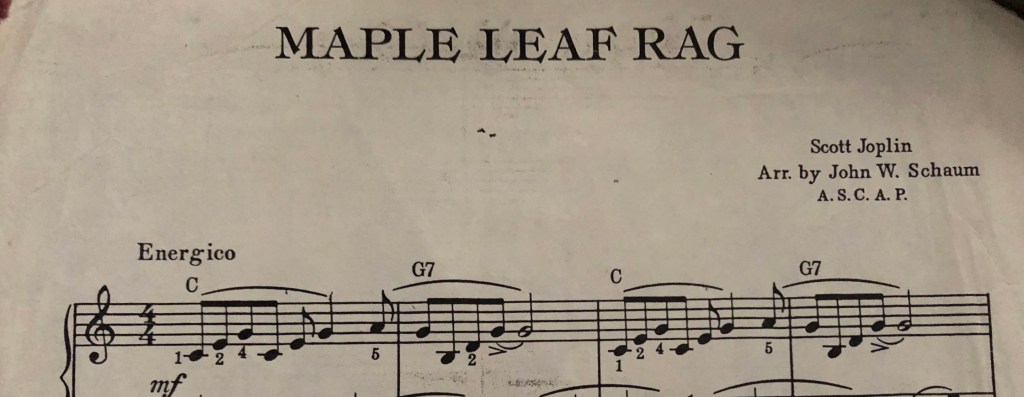
The Maple Leaf Rag was one of Scott Joplin’s most famous ragtime pieces earning him the title, “King of Ragtime”.
I always wanted to write this but George Lucas beat me to it.
However, we can all breathe like Darth Vader which has its benefits. This type of breathing is called Ujjayi Pranayama (ooh-JAY-yee-prah-nah-YAH-mah), or ocean breath, and it is used in yoga and Taoist practices. The point of Ujjayi breathing is relaxation as it naturally lengthens and deepens the breath.
To get a feel for how this is done, imagine you are standing in front of a mirror, and opening your mouth, breathe out like you are trying to fog up the glass. Do this a few times and note the constriction of your throat.
Maintaining the constriction of your throat on both your inhale and exhale, begin now to breathe with your mouth closed. The sound this makes is soft, like gentle waves.
Go at your own pace and always practice in a way that is safe and comfortable.
Thank you Elle and Bill for my Christmas present (meditation book) which I am working through. The Busy Restaurant Ambient Sounds background is from City Ambiance on YouTube. And, the chips and salsa shot was from my visit in McCalla, AL.
I wish everyone nourishment and blessings – of body, soul and spirit!













 Pilgrimage Studio