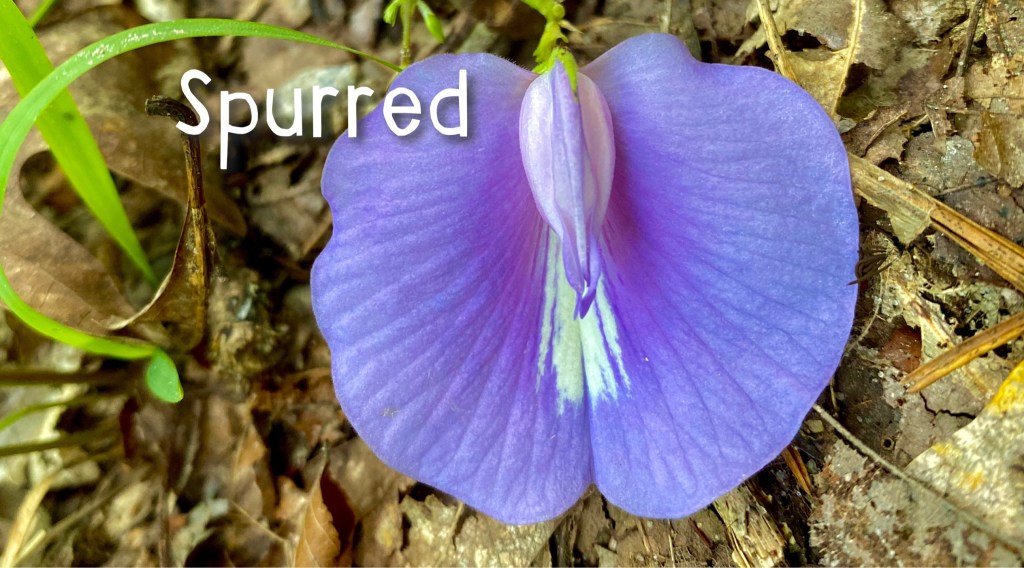
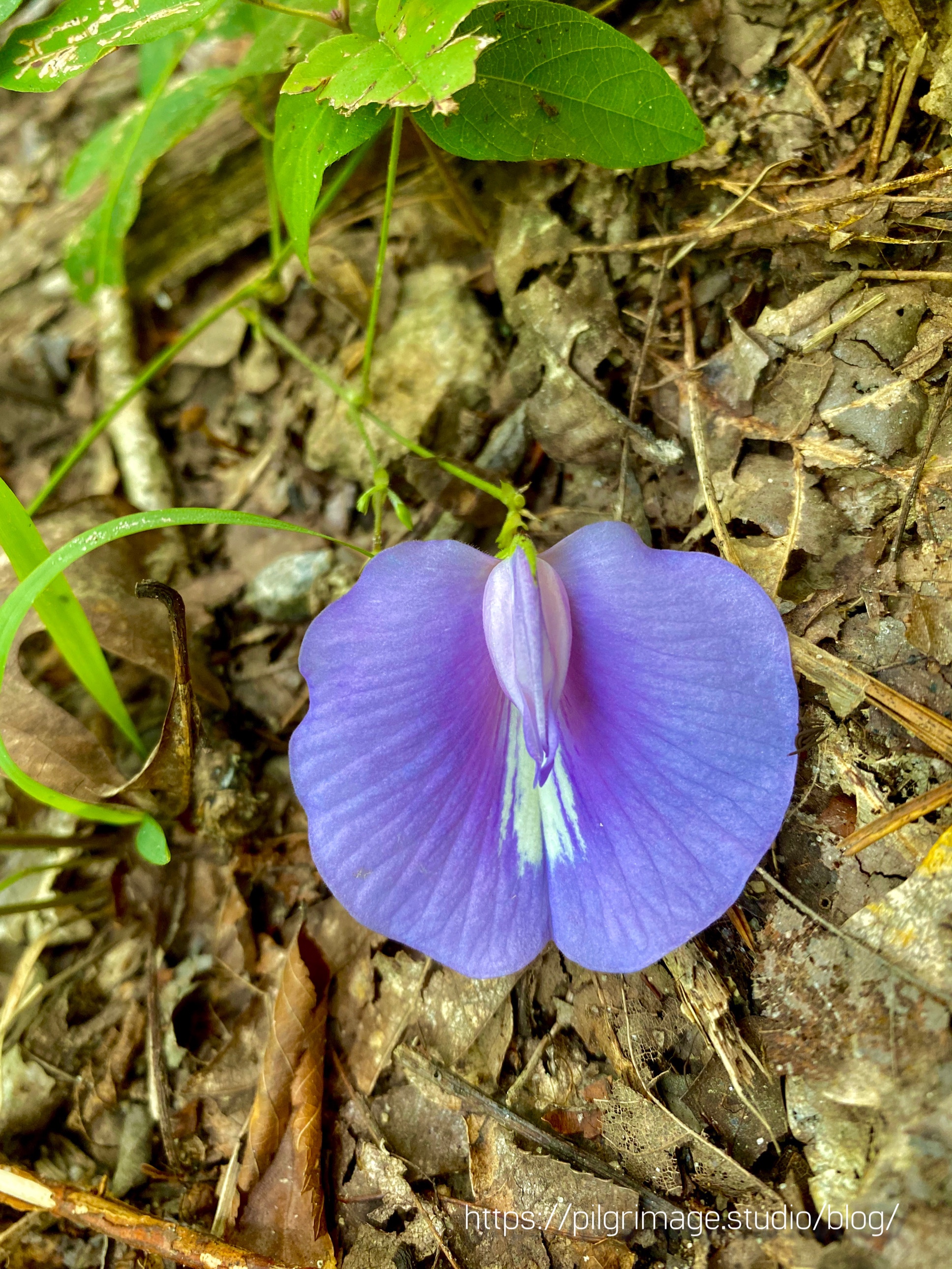
Centrosema virginianum, Spurred Butterfly Pea, Butterfly pea, Wild blue vine, Blue bell, or Wild pea is an herbaceous perennial. It is often confused with Clitoria mariana which is also called Butterfly pea. The difference is in the spur. With virginianum, you don’t see the long corolla tube like you see on the mariana.
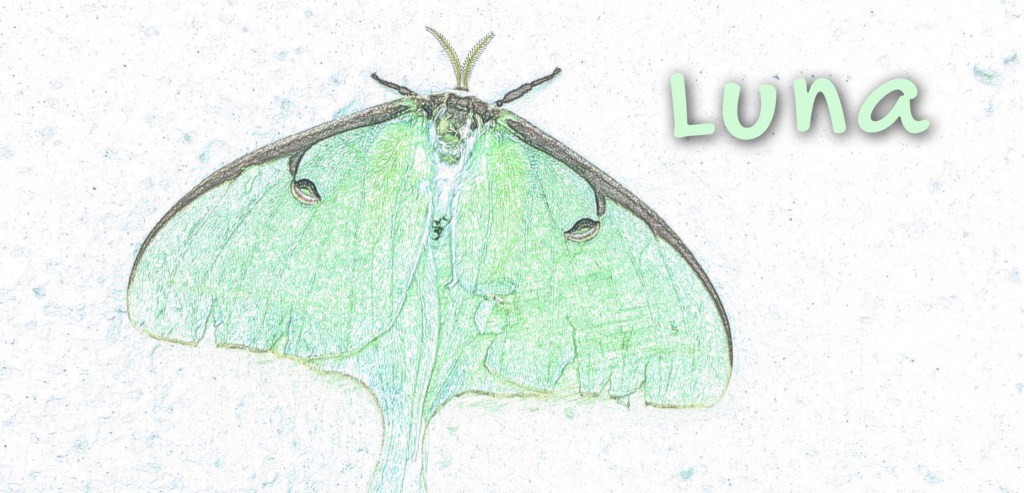
I am counted along with the largest moth species in North America flying in with a wingspan of 3-4 inches. You might be surprised to know that as an adult, I don’t eat. I don’t have a digestive system and my mouth no longer has any useful function for eating. My only job by this age is to reproduce and I have a time limit of about a week – and then I die. I know that doesn’t sound very cheerful, but it’s just how I am, and I’m ok with that.
Camouflage is the name of my game and I have more than one trick fluttering in my wings. For one, I blend into the leaves in the daytime which can make me a rare find in my natural habitat. For two, the tops of my wings look like twigs and my teardrop shapes look like buds, so I blend in with the branches of plants. My teardrops also look like eyes which can scare away predators like birds during the day. The third trick I posses is my tail. I need most of my protection at night when preditors hunt by sound or sonar. My ruffled tail creates an echo from all directions which can confuse preditors’ sonar (like bats) so that I can escape being their dinner.
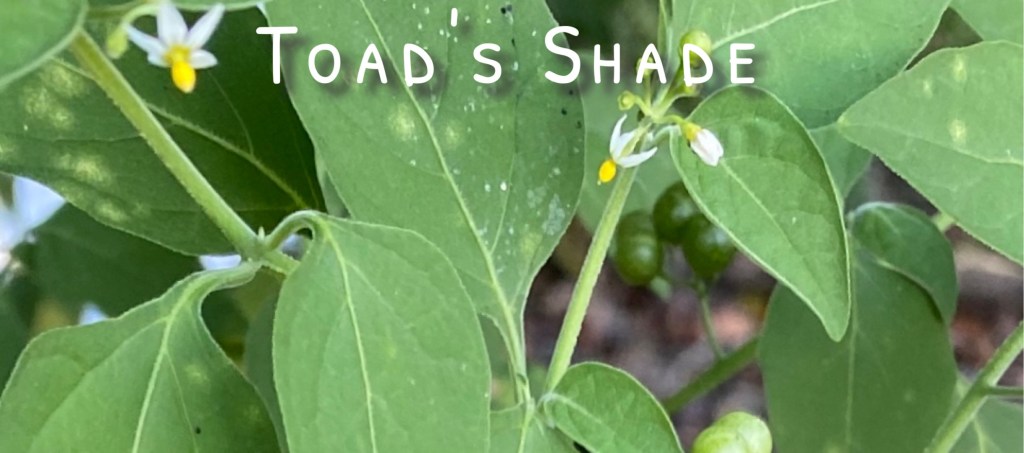
Solanum americanum, or Black nightshade, has family members we know well, such as tomatoes and eggplants. It has been called Garden nightshade, American black nightshade, Common nightshade, Petty morel, Glossy nightshade, Apple of Sodom, Small-Flowered nightshade, Common purple nightshade, Hound’s berry, and The Black Toad. This plant has, many times, been synonymously referred to as Solanum nigrum. Like other humble-looking garden plants such as the dandelion, its leaves provide shade for garden toads.
Misconception
This plant has been confused with the black, berry-producing plant called belladonna (also used as medicine – such as in homeopathic remedies), which is very poisonous and often called, “deadly nightshade”. While there are very toxic nightshades, the ripe, Black nightshade berries and young greens have been used for food. Also referred to as, Wonderberries or Sunberries, they have been made into sauces and jams and the plant is also considered to have medicinal properties. *The green berries can be toxic.
“Do not mistake the deadly nightshade for this, if you know it not, you may then let them both alone.” – – Nicholas Culpepper
Of course, when in doubt… do not eat unknown berries or plants. The ripe, Black nightshade berries from my picture were sweet but we didn’t dare eat much from it until we read more about the plant.
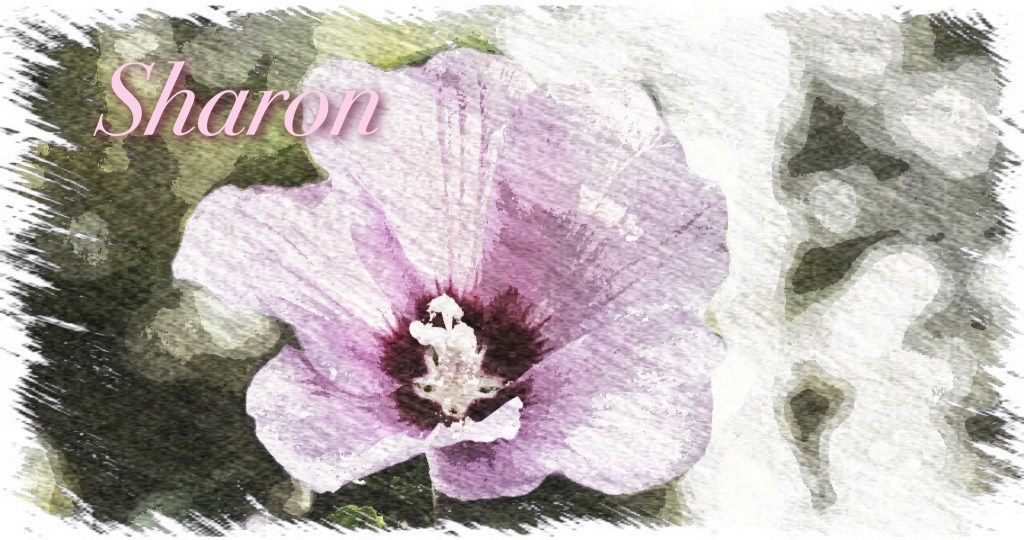
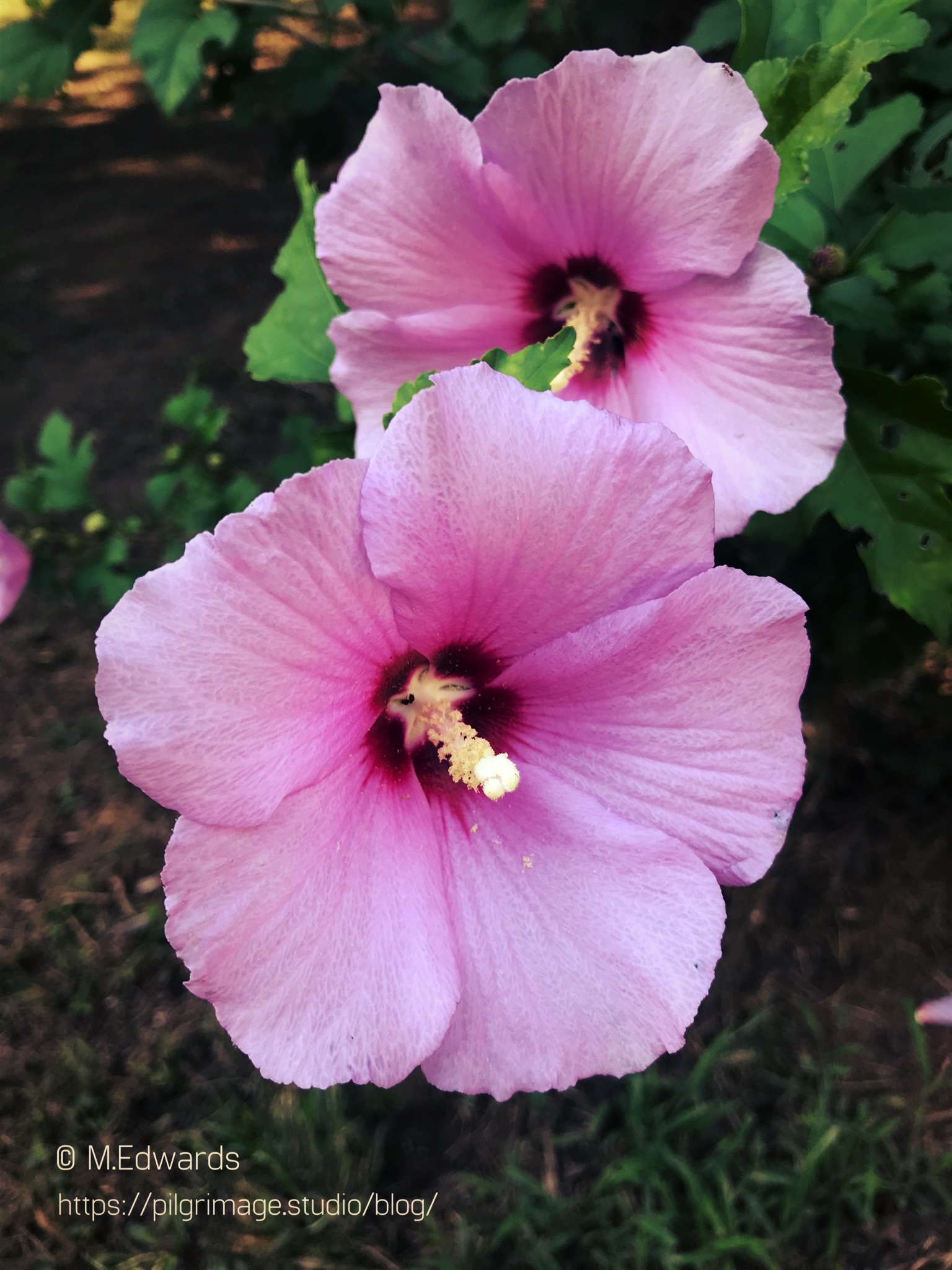
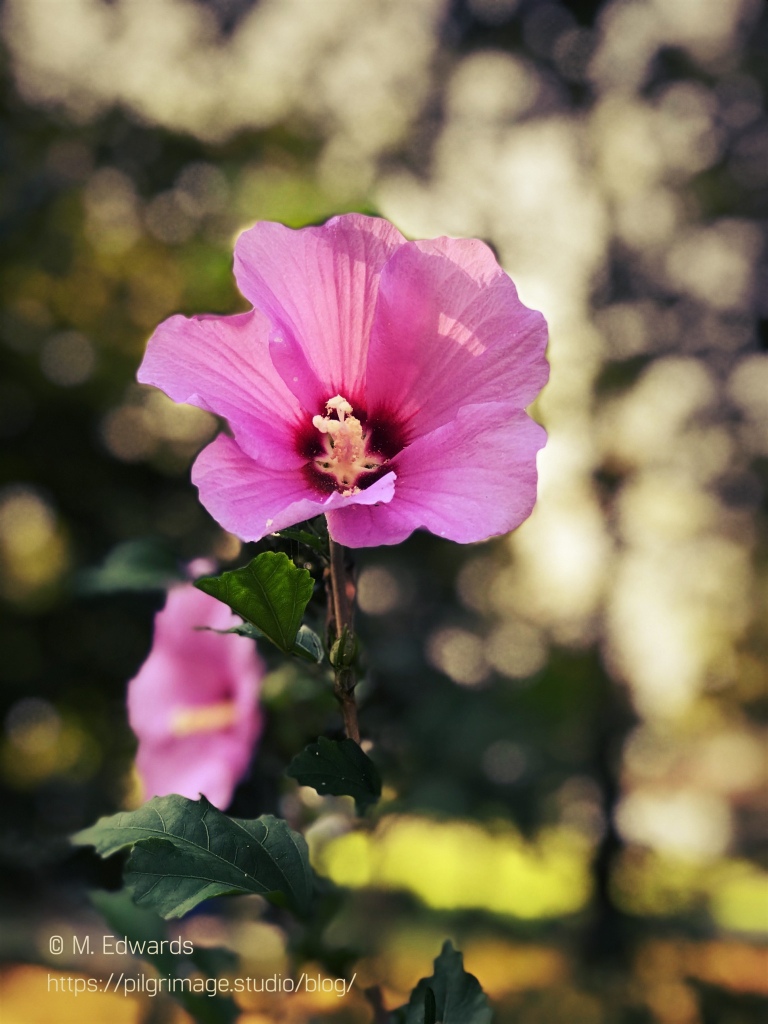
Hibiscus syriacus or Althaea syriacus, better known as Rose of Sharon or Common Hibiscus, is potentially toxic to animals, but its leaves, flowers and bark are edible to humans and have medicinal properties. It is a part of the hibiscus or mallow family. This shrub / tree is also known as the “Hardy Hibiscus” as it can survive challenging conditions.









 Pilgrimage Studio