by Beth Haley
We need a variety of nutrients for our bodies to function properly. Micronutrients help our bodies in many ways, from hormone regulation to immune response and so much more. By eating a balanced diet from a variety of whole foods, we can obtain the vitamins and minerals that our bodies need.
So what are Micronutrients
Micronutrients are nutrients such as vitamins, minerals, antioxidants and phytochemicals. We need these in small amounts. Although they are small, they are mighty in the many roles that they play within our body to maintain healthy functioning.
Minerals are chemical elements found in foods which support areas such as bone structure and heart health. Examples of two miners are: Chromium (found in broccoli) and Magnesium (found in spinach).
Vitamins are organic chemical compounds and there are 13 different kinds. Some dissolve in fat such as vitamins: A (one source is egg yolks), D (liver), E (almonds), and K (spinach). While others, like B and C vitamins, dissolve in water. We store vitamins which dissolve in fat, and so we can be less likely to become deficient in these. We need to replenish water soluble vitamins more often, because these pass through the urinary tract system.
Phytochemicals: the word “phyto” means plant, and they are organic chemical compounds which we either don’t make enough of in our bodies or we don’t make at all, which is why we need to get them from food.
Supplements
A deficiency is when we have inadequate amounts of certain vitamins or minerals. This can be balanced through dietary changes or by adding a supplement.
However, some supplements and elements can work against each other. Supplementing with one could be counterproductive to another. For example: supplementing with calcium can reduce your level of magnesium. Supplementing with zinc can reduce your copper.
On the other hand, there is a synergy within nature and we can obtain a much better balance of nutrients by getting them through whole foods.
Toxicity
You would have to eat a lot of fruits and vegetables to see a toxicity of an element, but with supplements, toxicity can happen easily.
Having a varied diet and eating from all the colors of the rainbow, provides us with a multitude of mixed and diverse sources of micronutrients.
Note: extreme deficiencies may need to be handled in a clinical setting.
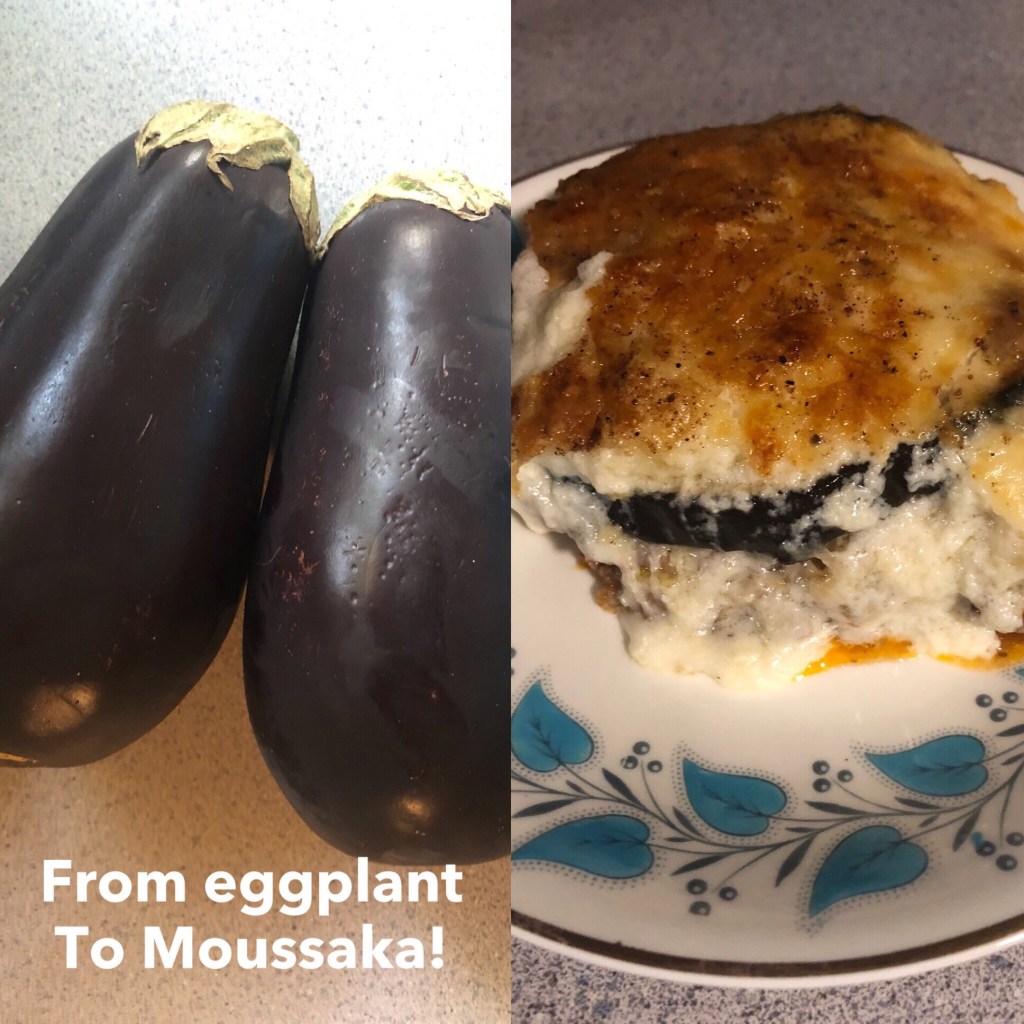
I made my first Moussaka!
Photo@Unsplash

 Pilgrimage Studio