Category: Complimentary Health

  • I am my Breath

    I am my Breath

    by Beth Haley

    How many times do we think of who we are by what we have?

    I am my bank account.

    I am my house.

    I am my corvette (I’d be a corvette).

    I am what I’m wearing.

    I am my bills.


    How about disabilities:

    I am disabled, instead of: I have a disability.

    I am a Social Phobic, instead of: I have social anxiety.

    I am my loss, instead of: I have experienced loss.

    I am what I lack, instead of: I am grateful for what I have.


    Dr. Alberto Villoldo, who devoted 25 years to studying the healing practices of the Amazon and Andean shamans, starts his mornings with this ancient shamanic breathing practice:

    Inhaling, he says, “I am”.

    Exhaling, he says, “My breath.”

    In, “I am.”

    Out, “My breath.”


    The concept is that we start our life in this world with a breath. And at our last moment, we will leave this world with a final breath.

    Paraphrased:

    … when you take your last breath, at the very end of your life, you’re not going to be saying, “I am my bank account, I am disabled, I am my body, I am my job, I am my family, I am my name… No, you can go, “I am my breath,” and you will follow that last breath out…

    “This is my practice,” says Villoldo.

    “Otherwise I wake up in the morning and I go, “I am my to-do list, I am my emails that I haven’t responded to, and I am this problem that is going on right now””… when none of those things are who I am, although they may be what I have… “you can cultivate that identification with that part of you that will continue beyond this moment, and it can be tremendously liberating.”

    Dr. Alberto Villoldo


    I may not have that Corvette, but I also wont be paying the insurance on it either!

    I hear my father’s words whenever he would see something really expensive, “That’s some nice debt!” It was a way of teaching us that what we have, we also need to be willing to pay the price for. And sometimes the price isn’t worth it.


    I’d still be a corvette.


    So who are you really?

    Inhale: “I am.”

    Exhale: “Not a Corvette.”

    Sigh. I digress.

    Inhale: “I am.”

    Exhale: “My Breath”

    Inhale: “I am.”

    Exhale: “My Breath”

    Could I be a charger instead?


    I listened to Dr. Villoldo speak on the podcast: My Seven Chakras, “How to Grow a New Body Using Shamanic Healing and Nutrition” with Dr. Alberto Villoldo

    Corvette wish from angelic@pixabay

    Charger dream from oktagon1@pixabay

    Header Photo from johnhain@pixabay

  • Progressive Muscle Relaxation

    Progressive Muscle Relaxation

    A Meditation with Beth Haley


    Background soundtrack is from Insight Timer by Owen Jenkins, Nature Sounds: Flowing Stream

    And my dog 🐕 Peanut, who always finds ways to join in.

    Video Photo Credit: 12019@Pixabay

  • Re-lease

    Re-lease

    by Beth Haley

    Breathing retraining is changing the way in which we breathe. Many times we breathe shallowly, only feeling our chest and shoulders rise and fall. In breathing retraining, you learn to breathe deeper through your abdomen or diaphragm. Doing this reduces heart rate and symptoms of anxiety, while changing the ratio of carbon dioxide to oxygen in your bloodstream.

    Progressive muscle relaxation (PMR) is another common anxiety-management skill involving tensing and relaxing your muscles which helps you notice the difference between holding tension in your muscles and having relaxed muscles.


    Before doing this exercise, rate your stress or anxiety level on a scale from 0 to 10 (where 0 means relaxed and 10 means stressed or anxious) and again after this exercise, and see if you notice a difference.

    In a comfortable position, put your right hand on your chest and your left hand on your abdomen. Slow and deepen your breathing. Feel the hand on your abdomen rise and fall, more so than the hand on your chest. Just focus on how it feels to draw in the air and exhale it.

    As you inhale, think, RE. And as you exhale say, LEASE.

    While you’re doing this, just let stressful or anxious thoughts come and go, and simply focus on inhaling and exhaling with RE and then LEASE.

    Happy releasing! 🤩


    PhotoCredit: Pixabay

  • Au-then-tic-i-ty

    Au-then-tic-i-ty


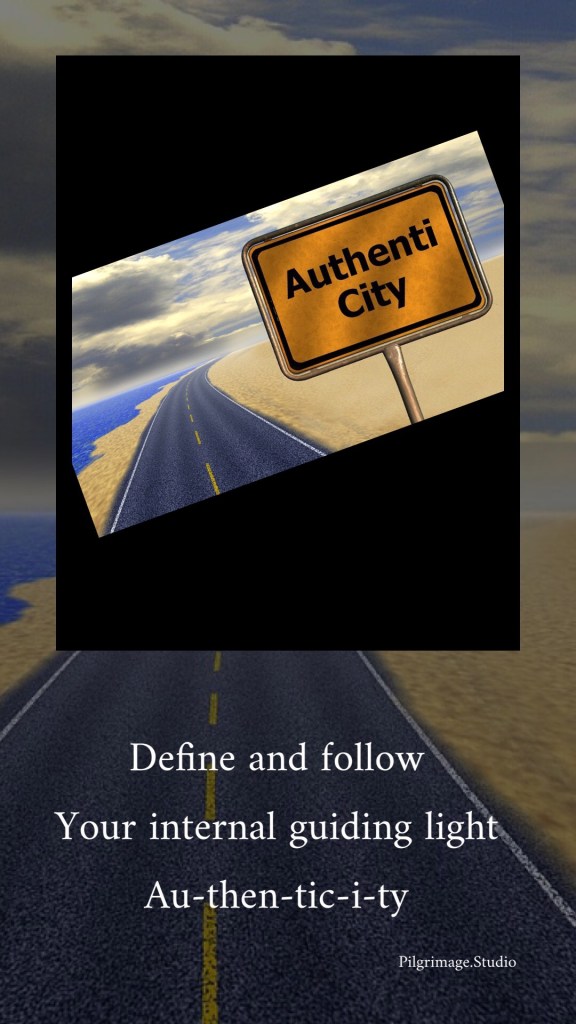
    Define and follow

    Your internal guiding light

    Au-then-tic-i-ty

    Pilgrimage.Studio • 2019

    geralt@pixabay

  • Thankful

    Thankful

    by Beth Haley

    Sometimes, through the storms of life, it is easy to be blind to anything except our own personal hurricane. We get so engrossed in the noise of our own issues or thoughts that we don’t look around. We don’t truly see the storms that others are fighting.

    We hear the wind. We hear the hail. We see our world gripped in the clutches of an angry, screaming wind.

    We’re caught up in our own thunder and lightening. It’s all we know, until we look around:

    And then we realize that while we braved our own storm, others were completely misplaced by theirs.

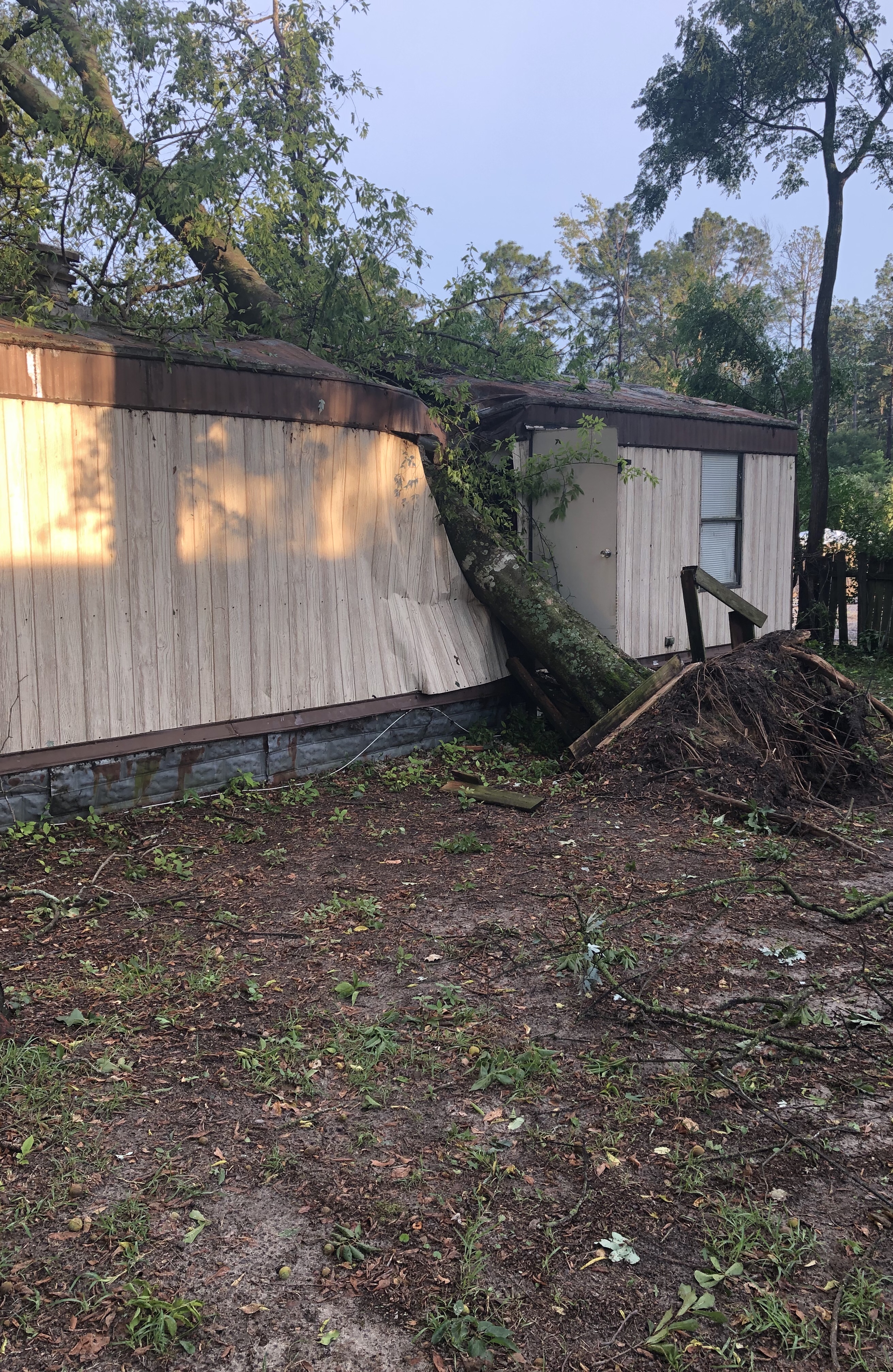
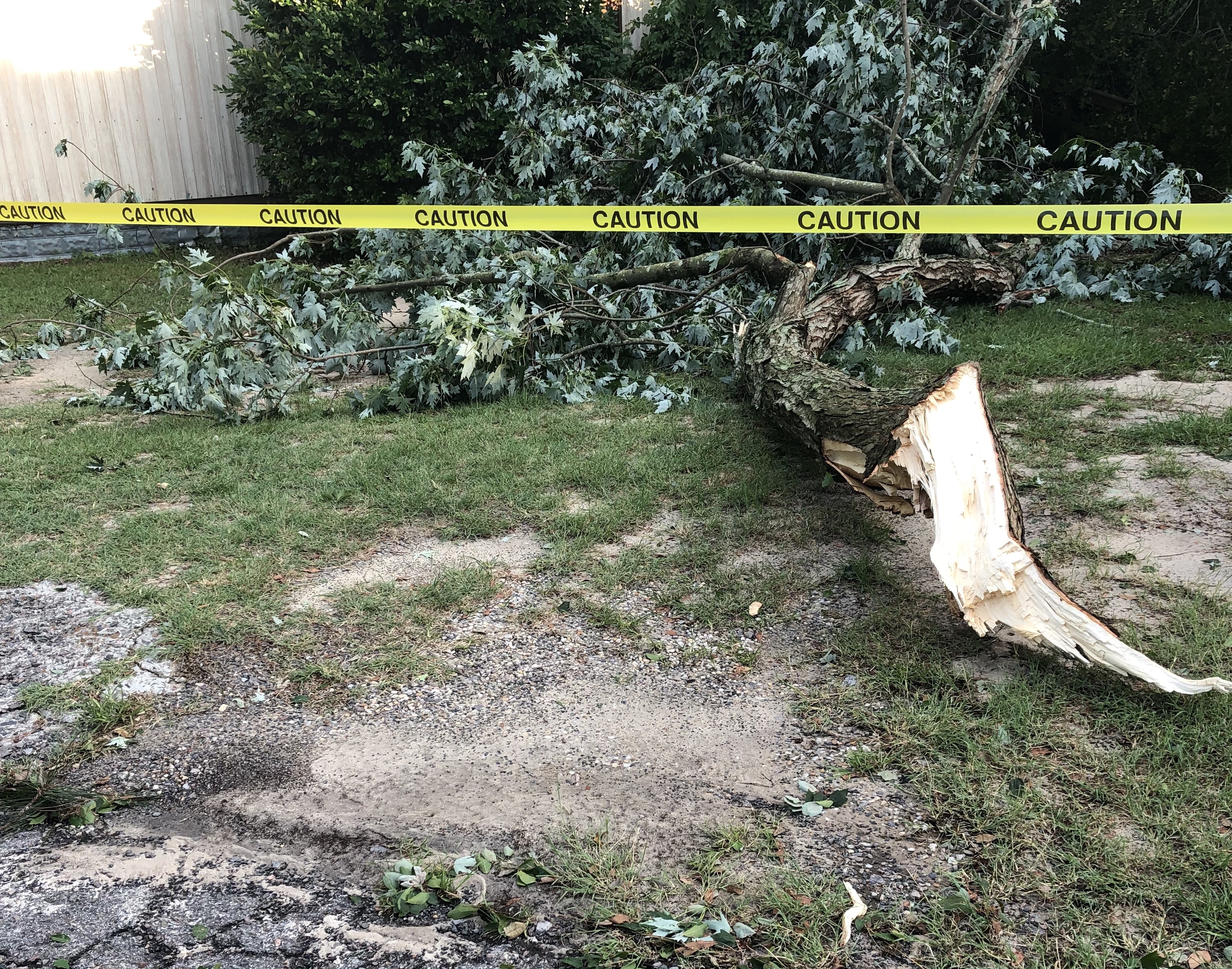
    I drove home today through, what looked like, a war zone of mayhem. Trees and branches had fallen all over. Electrical wires buzzed and hissed overhead. And not too far away from my own place, a tree had fallen into someone’s home.

    Tonight, I send out a “thank you” that no one was hurt in this storm and that housing and help is being found for those who now have no home.

    I’m reminded to look deeper at the people around me. We all face our own storms, every single day… many of which, are not so visible to the naked eye.


    Oimheidi@Pixabay

  • Drift

    Drift

    Meditation for the Soul


    “When under, remember the surface.

    When on the surface, remember the deep.


    Sit quietly and practice entering the deep

    Imagine each breath as a stroke

    Breathe slowly and stroke your way past all distractions

    When you feel the swell of life around you, simply drift… ”


    The Book of Awakening by Mark Nepo

  • Holistic Therapies

    Holistic Therapies

    by Beth Haley

    Reiki is just one of many therapies that is considered a “holistic” practice because it affects the whole person – body, mind and spirit.


    Body

    Reiki facilitates deep relaxation, a sense of positive wellness and overall feeling of wellbeing, while supporting and quickening the physical body’s own healing abilities so that we can operate more effectively in our life. It also helps develop a deeper connection or awareness of our body’s needs, like healthy nutrition, and regular exercise.

    It is similar to doing a body scan in yoga: what hurts? What part of your body feels tense or tight? Where is there struggle? Where is there resistance? It is a tuning in and creating awareness of what our body is trying to tell us.

    “My stomach feels tense and it hurts,” is not just a physical symptom. Knowing that someone just lost a job, puts physical symptoms into a whole new light. Emotions such as stress, affect us holistically, the same as relaxation affects the whole body holistically: body, mind, and spirit.


    When we bring ourselves into a relaxed state, our bodies’ healing capabilities are quickened.


    Mind And Emotions

    Because of the relaxing nature of Reiki, it allows for the release of stress and tension. It supports the examination of our emotions, and encourages us to let go of toxic emotions, thoughts, and attitudes such as bitterness and anger. Reiki stimulates healing of emotions such as sadness and grief, or imbalances in emotional response and reactivity, grounding one in a more balanced state of being, feeling, thinking and responding.

    Reiki encourages qualities such as love, care, trust, goodwill and sharing. It can also help to direct the energy of our emotions toward different or more positive outlets, such as creativity.

    There is a Taoist practice like this in which you channel or direct unneeded, or excess, sexual energy towards other goals: such as to create art or to write, or to breakthrough in a career or new business. If the energy is unused, misguided, or in excess (imbalanced) Reiki is very helpful in bringing back into balance and redirecting it to where it is needed most.

    From my personal experience: I can walk in the door after work in one state, lay down on my yoga mat for a self-treatment in Reiki, and by the time I get up 20-30 minutes later, it’s like I’m a different person.

    It has been very balancing for my entire body, especially my emotional body after such things as a big disappointment, after receiving bad news, or even just after a long day. I have literally laid down in tears, and gotten up smiling. It’s a night and day difference.


    Combinations can be amazing.


    That said, I am also doing a lot, in addition to Reiki, during a treatment. I am visualizing the colors, chanting mantras, praying, repeating an affirmation for each chakra center, meditating…

    Combine every therapy you know, that will fit the setting, into the one treatment.

    For example, if cranberry is all you need for a urinary tract infection, that is great! But if you combine cranberry with D-mannose and hibiscus, you now have a very powerful combination for your entire urinary tract system from kidneys on down.

    When I got a Reiki treatment from my yoga and Reiki instructor, I was getting yoga principles, massage, chiropractic techniques, acupressure, Reiki, and an anatomy lesson to boot!

    U-Tract Complete


    Spiritual

    Reiki helps bring acceptance and love to your whole self, and encourages a non-judgmental look at humankind, allowing you to accept each person as they are. It facilitates qualities of love, empathy, understanding and acceptance, and supports you on your individual path of personal growth and spiritual development.


    Reiki Principles

    Kyo dake wa – Just Today

    Okolu-na

    Shinpai suna

    Kansha shite

    Goo hage me

    Hito ni shinsetsu ni


    Just for today, do not anger

    Just for today, do not worry

    Honor your parents, teachers and elders

    Earn your living honestly

    Show gratitude to every living thing


    It is always today.


    Photo Credit : Ravi Roshan @ Unsplash

  • Post-It Notes 6

    Post-It Notes 6


  • Happy Father’s Day Papa

    Happy Father’s Day Papa

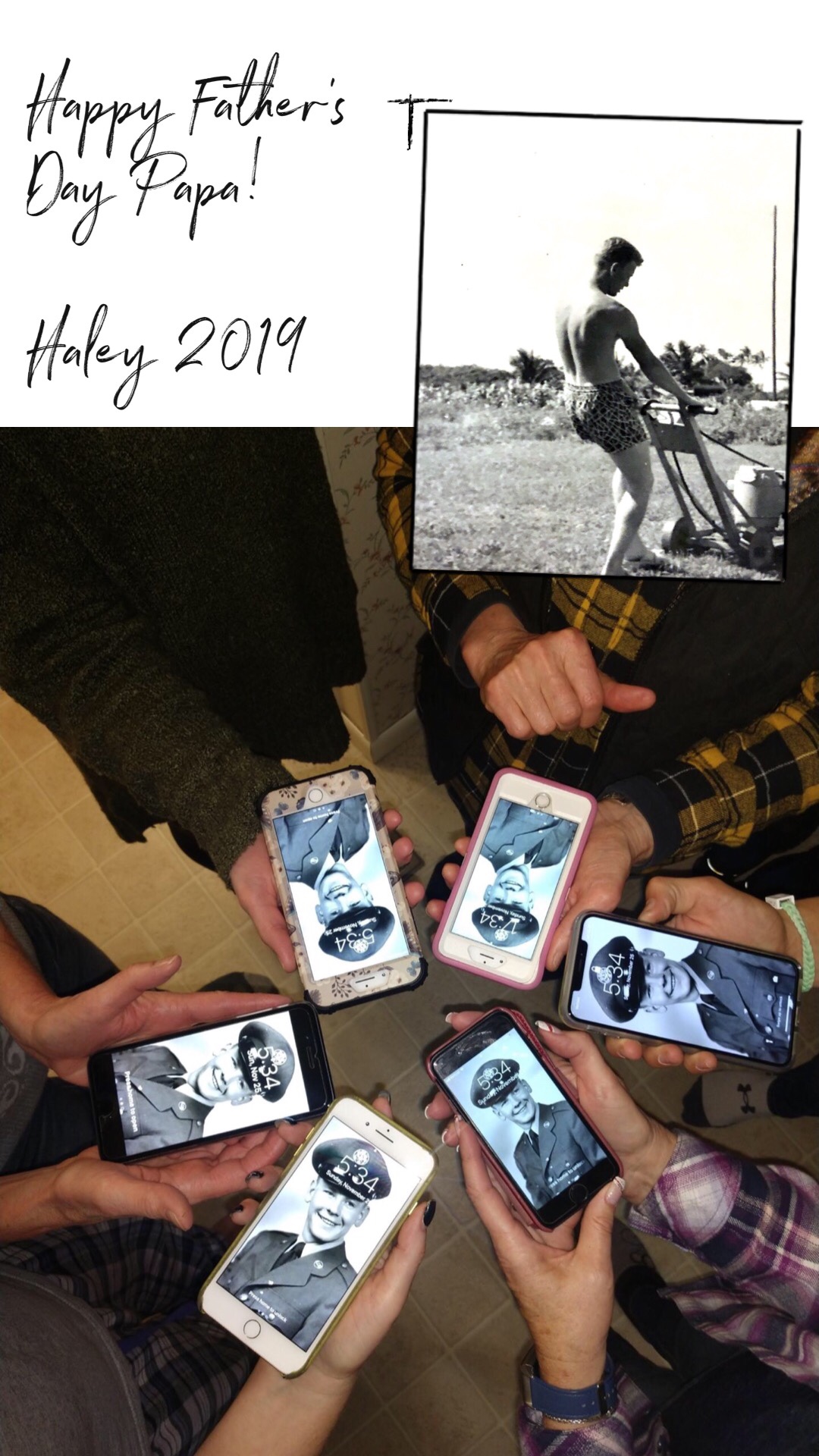
    Dear Papa,

    We had so many amazing memories flying the big skies. Remember bringing the cat on the plane? One very calm cat was let out of her kennel. And, at the moment we rose above cloud level, calm cat looked out the window. She then coined the term “Ballistic”.

    In whoever’s defense that decided to bring miss cat on the plane… we were moving and couldn’t leave her behind. I ask again, “Why was it that she wasn’t transported by car?”

    Aw well. The point is, that was the stuff! The stuff memories are made of.

    My memory grows a little hazy at the point where she was let loose… but I do know that whatever material covered the sides and top of the inside of that airplane…

    …gave sufficient traction for claws. Because I do know for certain that I’ve seen a cat go from floor, up the wall, across the ceiling, and then in every direction there are words for.

    Maybe my memory of this is hazy because she was moving at the speed of light.

    Anyway, I’m bringing you my usual gift for you to find in the freezer which, as usual, will be inside the icy bag with the frozen card that says, “Happy Father’s Day!”


    Love Your Daughter, Beth

    Miss you lots ❤️


    And, Happy Father’s Day to all the fathers reading this! Thank you for all you do!

  • 90/10

    90/10

    by Beth Haley

    IIN Class Notes

    This is the first diet I have studied for my integrative nutrition class with the Institute for Integrative Nutrition (IIN). I instantly liked this one because, for me, an eating style that is easy to sustain, and one that is more of a lifestyle than a “diet”, would be something I would try.

    The 90/10 (Integrative Nutrition Diet) was created by IIN’s founder and director, Joshua Rosenthal, MScEd

    Sources: Joshua Rosenthal’s Integrative Nutrition: Feed Your Hunger for Health and Happiness


    What is Bio-Individuality?

    The foods that work for one person, aren’t necessarily the foods that work for another person. There is no “one-size-fits-all” diet. Each person is different.


    What are Primary foods?

    Health isn’t just food. Primary foods are not found on your plate. They are lifestyle elements such as cooking, finding enjoyable ways to be active, doing work you love that is satisfying, developing your spirituality, getting adequate sleep, playing board games with friends and family, getting the kids to the park to play, getting out into nature, inviting people over for dinner, and establishing and maintaining healthy and supportive relationships. When these primary foods are in healthy balance, along with a healthy diet, the body tends to be able to heal itself on its own.

    Toxic people and unhealthy relationships, unhealthy practices or habits, and stress and tension should be kept at a minimum.

    Dr. Tieraona Low Dog from the Mountain Rose Herbal Radio Podcast episode titled: “5 Tips for a Healthy Lifestyle” which was recorded at the Free Herbalism Project and hosted by Mountain Rose Herbs, stated it this way (paraphrased):

    There was a large study done by Brigham Young University, more than 144 studies (that’s more than 300,000 people), which found that being lonely or socially isolated was as dangerous for their health, as smoking 3/4 of a pack of cigarettes a day, being an alcoholic, never exercising, and was twice as dangerous as being obese.

    Nourishing our social relationships (a huge part of our primary foods) is necessary for wellness, healing, and overall health.

    The New York Times

    Science Daily

    BYU News


    90/10 Integrative Nutrition Diet

    The idea of the 90/10 Integrative Nutrition Diet is that you eat healthy foods 90% of the time and eat less healthy foods 10% of the time.

    In other words: instead of fighting your wants, you can indulge cravings 10 percent of the time, and then adhere to your healthy foods 90 percent of the time. This gives you some flexibility to indulge guilt-free, while maintaining a healthy overall balance.

    The 90/10 plan is easy to follow, and you decide how to organize it to best suit your needs.

    The general food list includes more fruits and vegetables, sweet vegetables to help with sweet cravings, beans, experimenting with whole grains and proteins, and drinking plenty of water.

    Useful tool: Food Journaling. This may include elements such as, your emotions surrounding certain foods which affect your eating habits.


    Included:

    • Vegetables

    • Fruits

    • Whole grains

    • Meat

    • Poultry

    • Fish

    • Eggs

    • Beans

    • Dairy

    • Nuts and seeds

    • Healthy oils


    Foods to avoid:

    • Sugar

    • Processed foods

    • Refined grains

    • Trans fats

    • Caffeine

    • Tobacco


    PROS

    • It’s a lifestyle not a diet

    • There is a wide variety of foods and nutrients that you can eat

    • It is very adaptable to each individual


    CONS

    • Some people need a more rigid guideline to meet specific goals

    • People with allergies may not be able to eat the variety of foods allowed

    • Journaling can be a helpful tool unless it becomes obsessive


    This is a general outline of the 90/10 Integrative Nutrition Diet, and some of the principles Joshua Rosenthal works with in his book, Integrative Nutrition: Feed Your Hunger for Health and Happiness, and in his course at the Institute for Integrative Nutrition.