Tag: Healing

  • Meditation Medicine

    Meditation Medicine

    The words “meditation” and “medication” sound almost identical. If you switch out the c for a t they’re the same word. Meditation comes from the Latin root, meditatus, which means to think, pay attention to, or contemplate. It is similar to the Latin root (medicina) for Medicine meaning “art of healing.”


    Meditation as Medicine

    “Not only does it change the way our brain works, it actually is almost like going to the gym – you’re actually building new connections and we can see on a brain scan structural changes after just eight weeks of meditation, and so you see an increase in density in a part of the brain that actually is associated with happiness, that’s associated with being able to make better decisions in our lives... and it also shrinks the part of our brain responsible for the stress response.”

    -Jamie Zimmerman


    Starting your Meditation Practice

    Some things to keep in mind as you begin your own meditation practice are:

    Determine your why

    Start with baby steps (5-10 minutes a day is better than an hour, once a week)

    Choose what kind of meditation style resonates with you (Guided, silent, focusing on your breath, taking a journey with images and music)

    Make the Commitment

    Join a group or start your own


    β€œI think when we really quiet our minds we start to hear our hearts.”

    -Jamie Zimmerman


    “The longest journey you will ever take is the 18 inches from your head to your heart.”

    β€”Andrew Bennett


    “Each moment of our lives is like a grain of sand, part of a finite supply. Each moment is unspeakably precious.” – Jamie Zimmerman

    In Memory of:

    Jamie Zimmerman, MD 1983-2015


    Photo by Simon Rae

  • Fisher King

    Fisher King

    by Thela 🦊 Foxgood

    Working in meditation today, I was reminded that sometimes healing is uncomfortable. When we are in the midst of the process of healing, we may feel disempowered. Rather than feeling powerful, we only feel and see the wounds. However, this is the process – and to step into healing, we must first spend time tending the wounds.


    I don’t normally refer to religious texts. However, two passages (3 actually) came up during this session.

    1. Of the Fisher King it is said, “He is a man of sorrows and acquainted with grief.” -Isaiah 53:3

    The Fisher King is also associated with The Wounded King, The Hanged Man and The King of Cups.


    That the Fisher King (from The Grail Legend) has taken to fishing while he is waiting for help and healing seems symbolic. Fishing is an activity that requires not only patience, but is dependent upon the right fish, at the right time, taking the bait… or in other words, the right element, person, or tool for the healing he seeks.

    I suppose that the Fisher King is associated with the “Fisher of Men” because both of these stories were about seeking what was lost. One King was seeking healing for his body, soul, and kingdom. The other King, “The Fisher of Men,” was seeking those that were lost, to save, and bring into his kingdom.


    Facing a mountain?

    A Dark Night of the Soul?

    Before healing – is the process.

    Before power, is weakness.


    Without denial, we see our wounds. Without hurry, we seek healing.


    Healing can come in unexpected ways.

    I love working with Bibliomancy. I take a book (any book I feel drawn to), pose a question, and then read the first thing I see.

    Today’s meditation session felt like a “Lord of the Rings” moment where the dialog goes, “…but something happened then the Ring did not intend.”

    Now, I am not a religious person (spiritual, yes), so what happened next, I did not expect. The first thing I saw as I opened the book after working with the messages of The Fisher King, was:

    2. “Blessed are those who mourn, for they shall be comforted.”

    -The Beatitudes


    To Meditation

    3. Seek and you will find.

    What are you seeking today?


    Kingfisher Photo by Boris Smokrovic

  • Transform Perceptions

    Transform Perceptions

    by Thela Foxgood

    A Haiku is a Japanese poem that has 17 syllables. The 1st line has 5 syllables, the 2nd line has 7, and the 3rd line has 5.


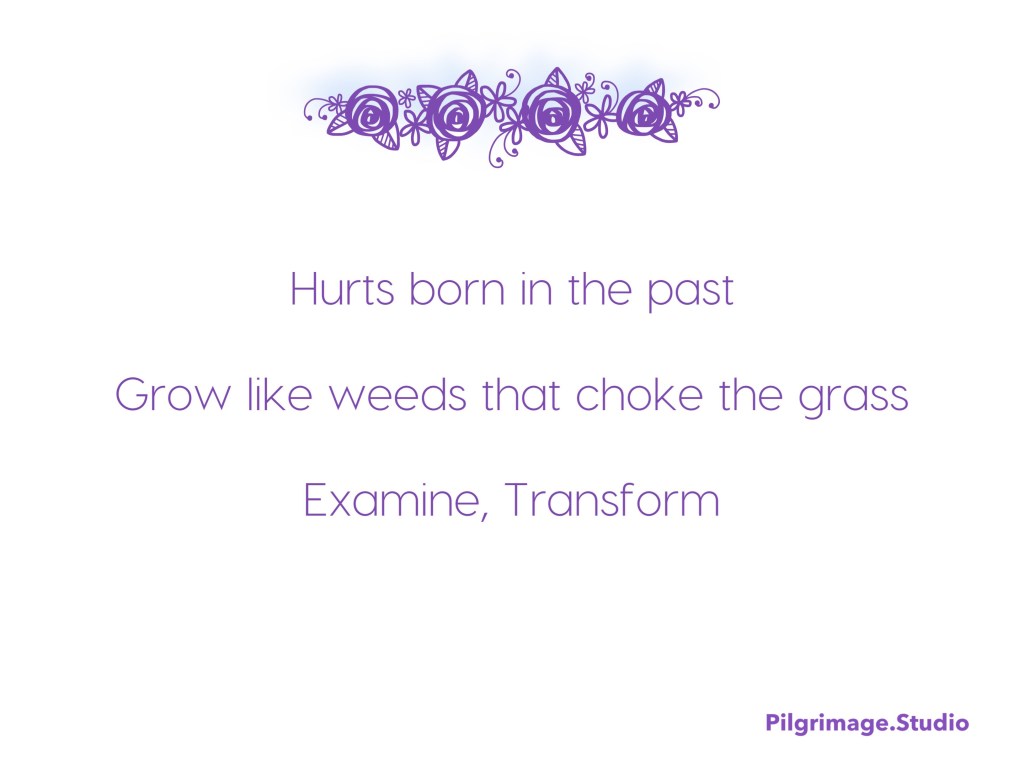
    We aren’t truly limited. We are limitless. It is our perceptions, many times born from past pain, that cause us to think we are limited.

    When it comes down to changing limiting habits and attitudes it can be helpful to make a list. I used these headings:


    Limiting Habits

    Limiting Attitudes


    Mapping them out like this makes them easier to see. It is also easier then to see what path healing needs to take, or how to change our subconscious programming.