
We plant trees! One dollar. One tree.

Image from Pinterest

I normally name my paintings, but no names jumped out at me for this paint pour.
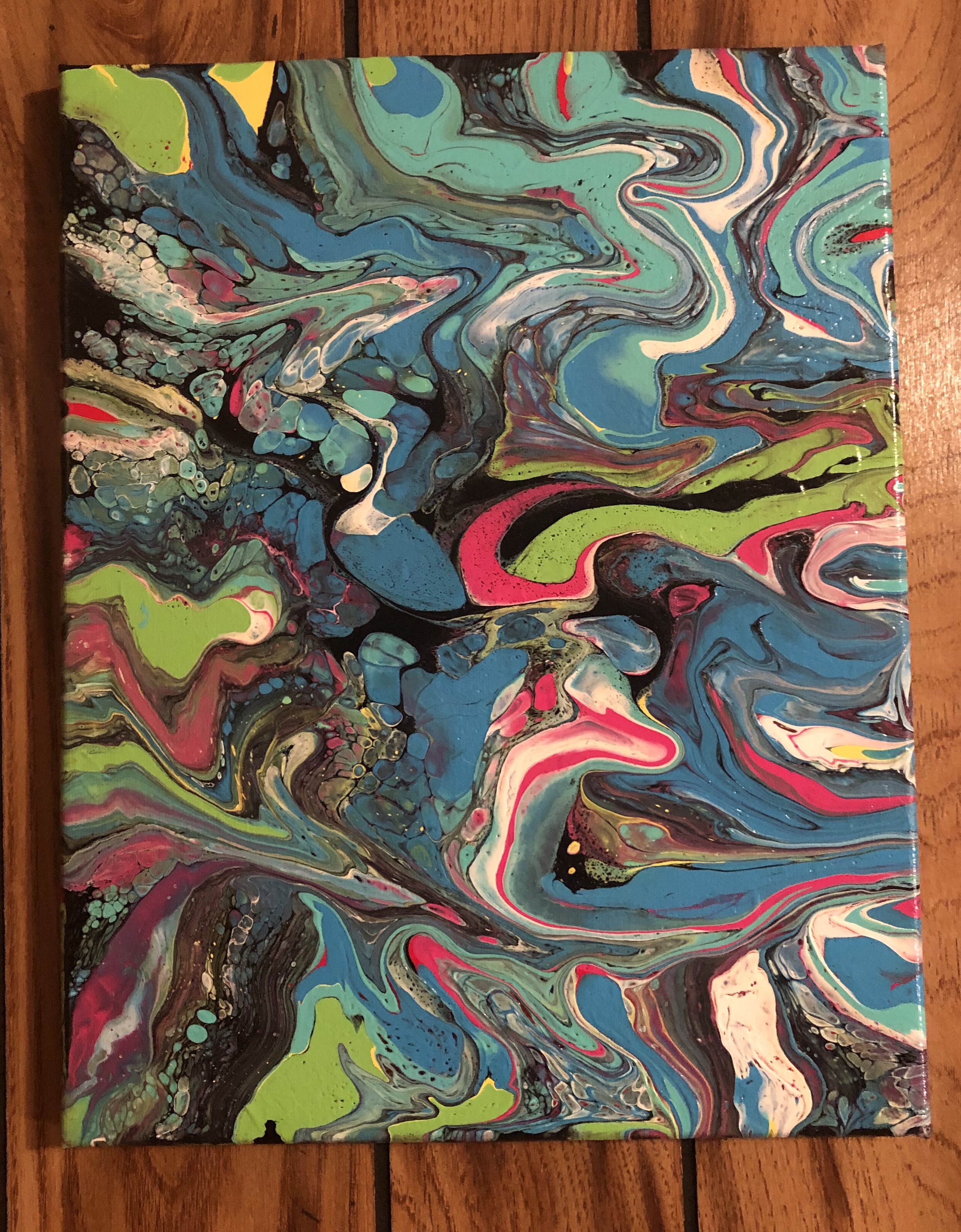
Can you help me name this painting?
If you have any ideas, I’d love to see them! 😊
And, this is the only post where the comment box seems to have magically disappeared…
by Beth Haley
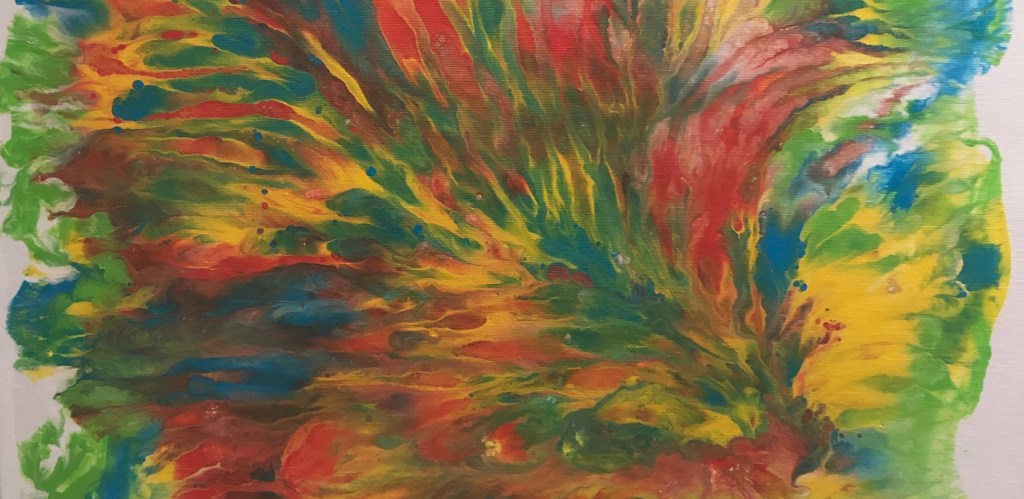
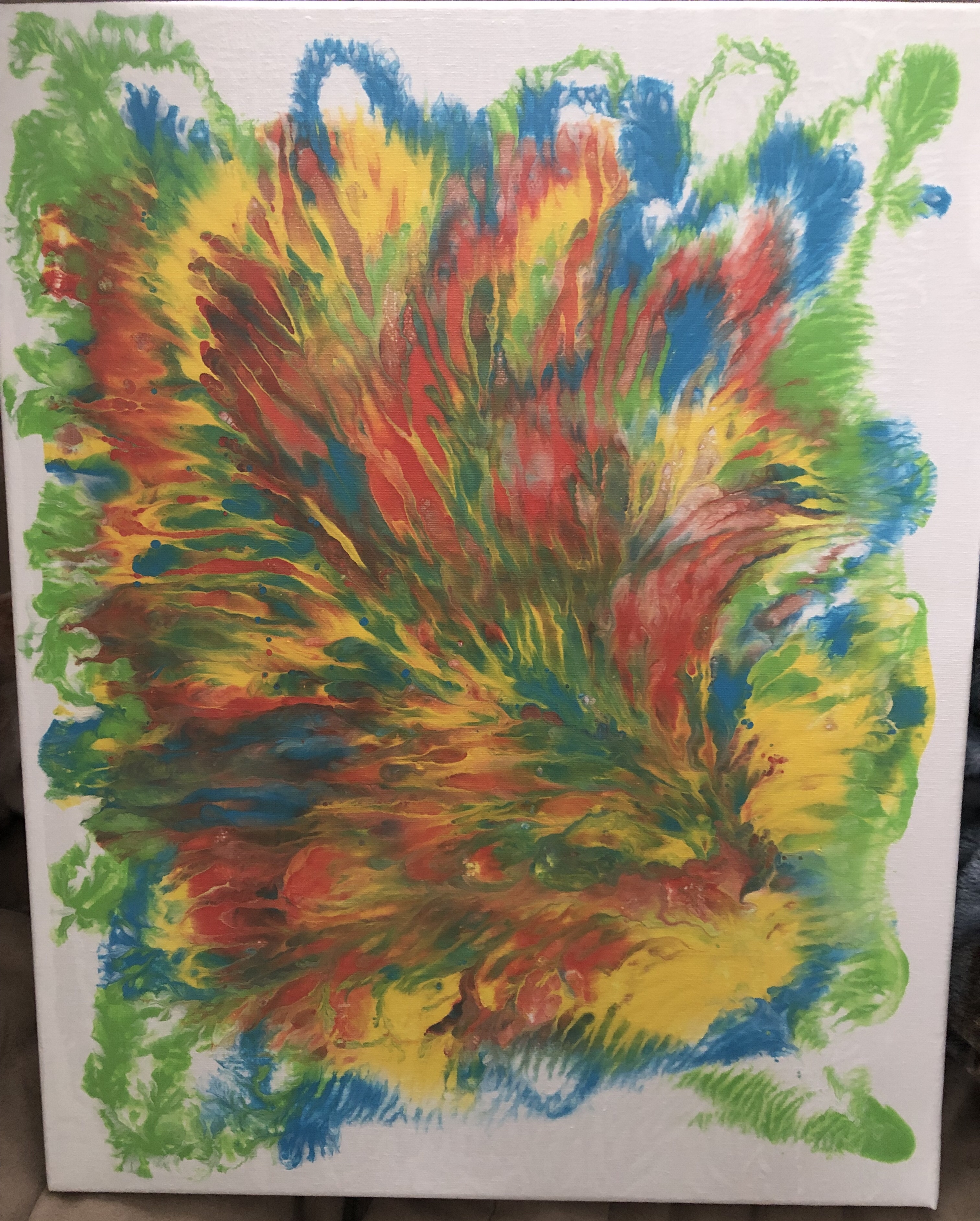
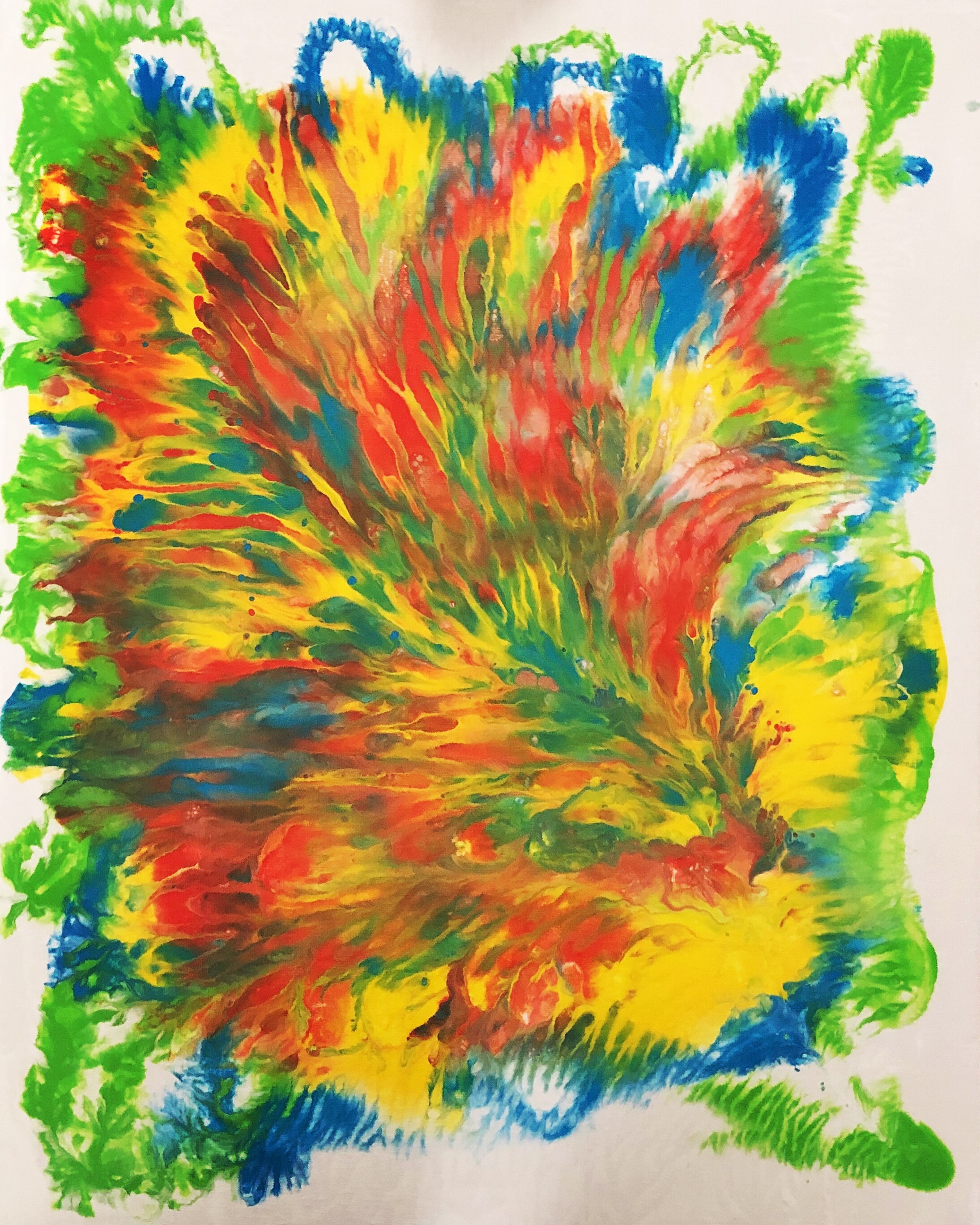
I thought I would share some paint 🎨 today. This is a favorite that I’ve done recently on canvas.
“Rainbow Coral”
by Beth Haley
From this blank square of paper, the zen question, “Who am I?” becomes, “What am I?”
The end result is, not necessarily, as important as the process of creating. If we are mindful throughout this creative endeavor, we may each see something different.
“All things are given life and form.”
Religion in Chinese Garments by
The square is the uncarved block (Pu is a Chinese word meaning “unworked wood”). The Taoist meaning of Pu is: perception without prejudice and without the distinctions of right or wrong, beautiful or ugly, good or bad, black or white.
Fold after fold. Crease and un-crease; a new creation is coming into being. Just like we can take the old lines and creases of our life and transform them into something new.
The paper has memory; it remembers its past lines. They are like scars on the soul. They may heal, but once there, those lines remain.
We can unfold (turn back time), and remember our past. Then, make new creases and story lines to form a new shape, outlook, new picture, or a new present and future.
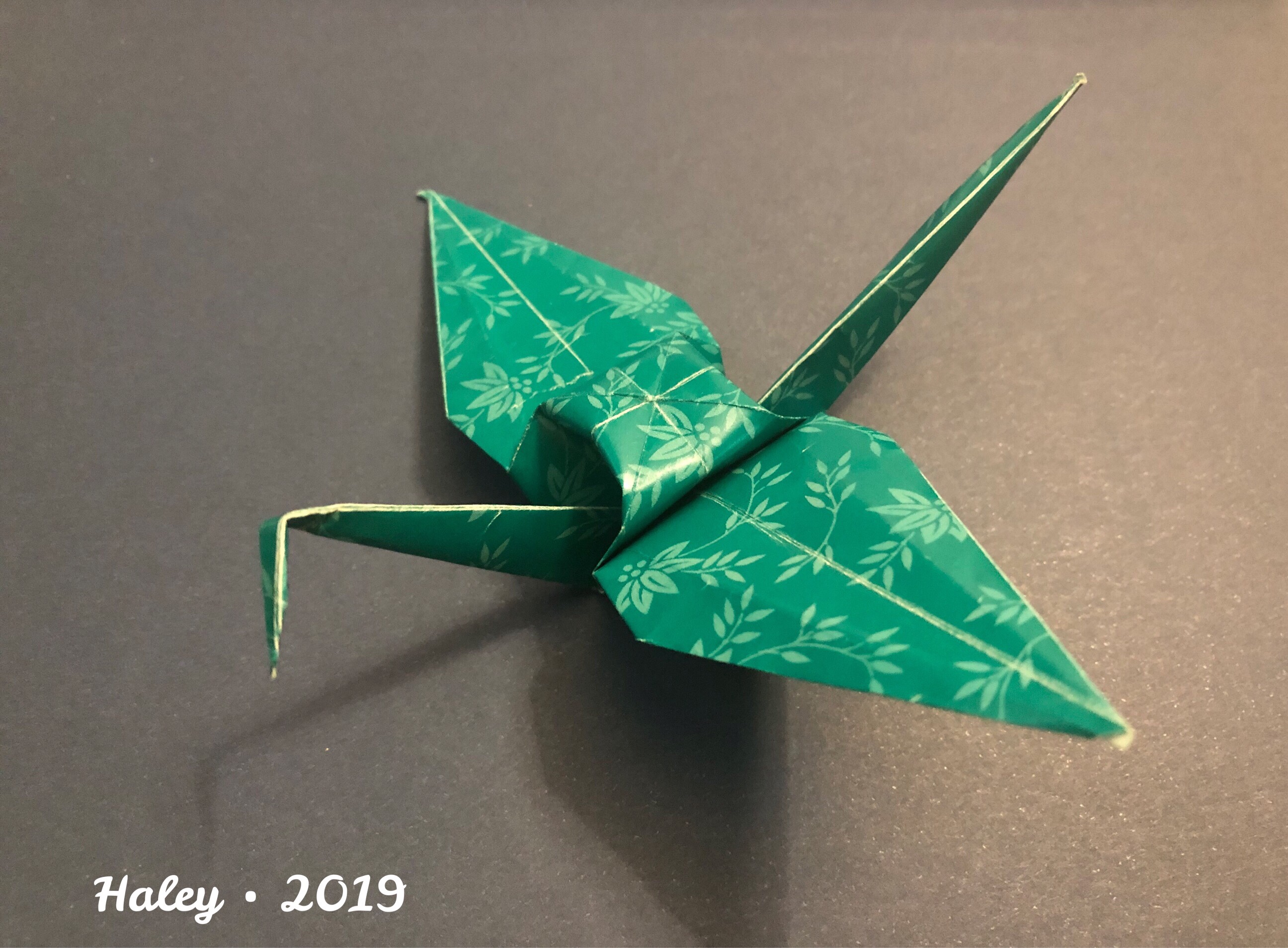
Haley 2019

For years I tried meditation. I came to the conclusion that “meditation” was just a nice-sounding word for a concept that was completely beyond my grasp. It appeared to me, at that time, that meditation was for a select group of gifted individuals.
I mean…
“f o c u s – o n – y o u r – b r e a t h”
was interesting for like five seconds.
I kept hearing Crush in Finding Nemo saying, “Focus dude.”
Despite my setbacks, I knew there was something in it. I just kept coming back to it.
While it wasn’t yet within my grasp, I could see it in the distance… something important, almost within reach; if I could just find the right key to unlock it.
Then one day, I was reading a book called Celtic Myth and Magic by Edain McCoy, in which there is a section on meditation.
In her book, she mentions holding the image of a symbol in your mind:
“When you can sustain an image for five to ten minutes without your consciousness wavering, begin to allow your inner-self to feel a kinship to the symbol.”
I looked at the clock thinking, “Kinship? OK. Five minutes. I’ll try this one more time.”
The symbol I chose was the triquerta.
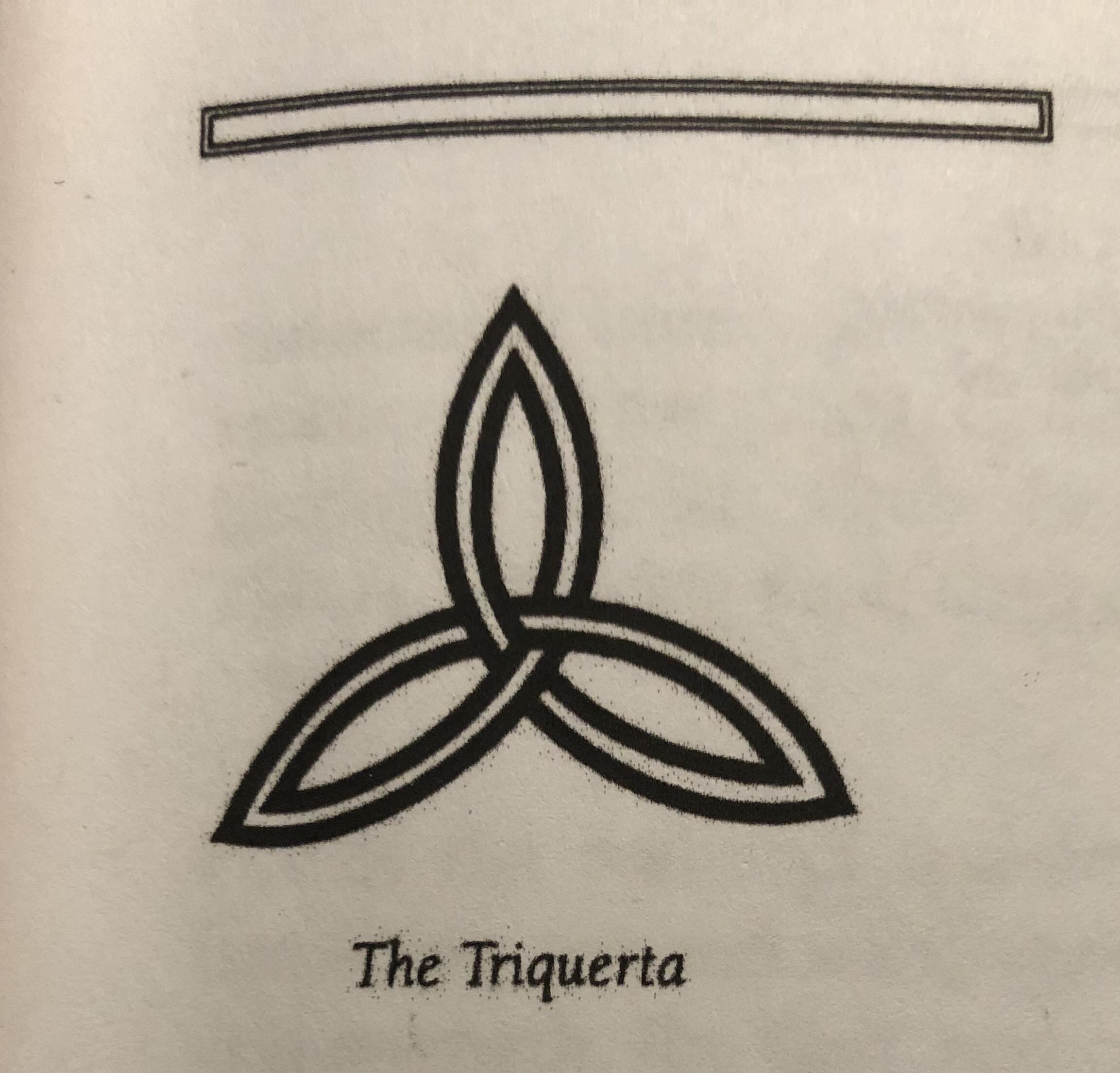
I set my timer for five minutes.
Ten minutes! It was the first time I had ever successfully meditated.
From starting out with one symbol or image, you may find in time, that you can add more symbols, motion, color, scent, temperature, taste, and more complex scenes.
Reflect on the meaning this symbol or picture has to you, and a message you may find.
Now, I use images all the time. Art and symbolism are wonderful tools. You never know what journey you may take!
If you haven’t found a specific way of meditating that works for you yet, don’t give up! It’s out there. You’ll find it.
Now I lead meditations, and this gift that I found for myself has become a gift I share with others.
I wish you success in finding that key (or keys) that unlock doorways along the path of your personal pilgrimage, journey or quest.
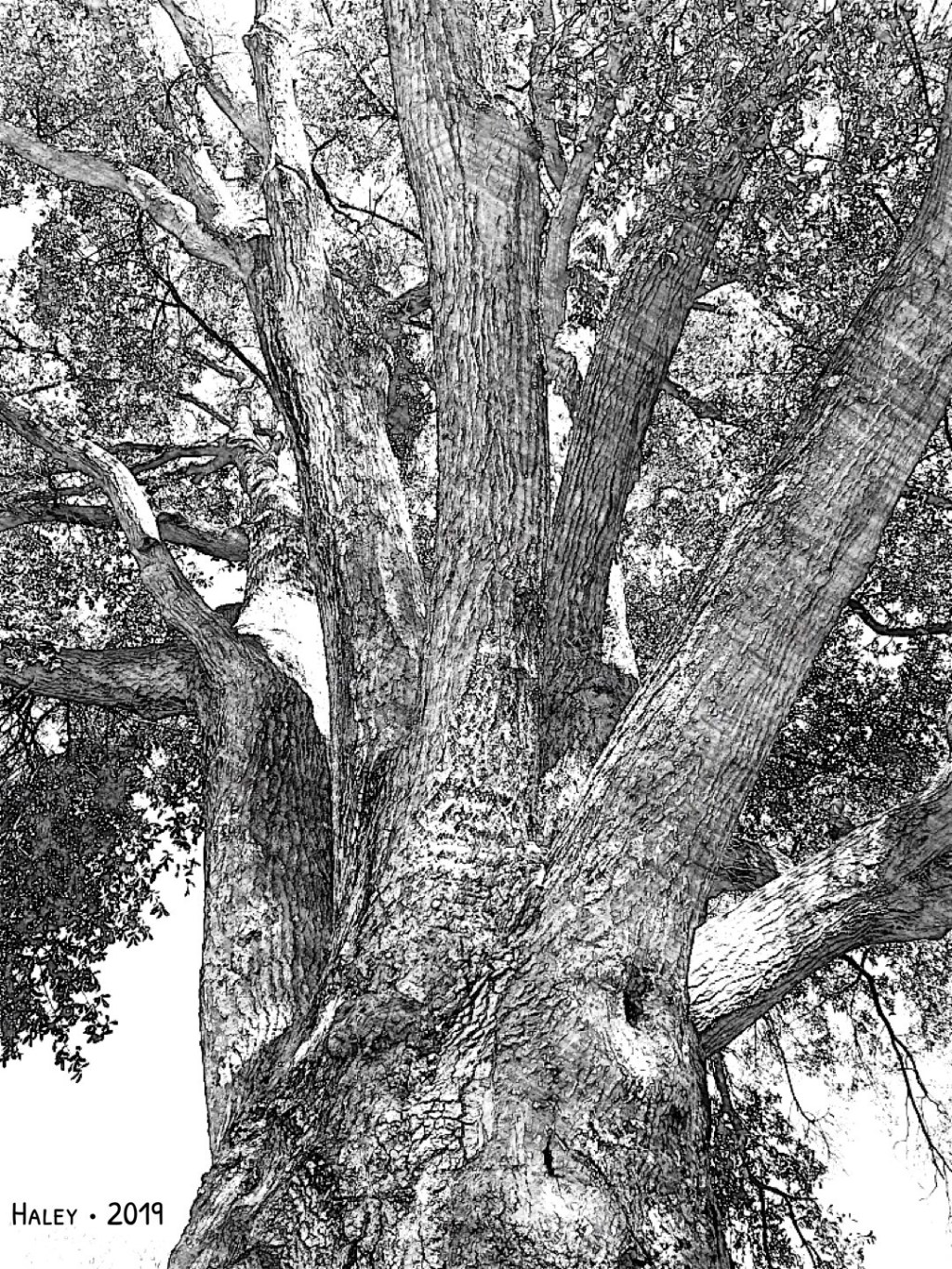
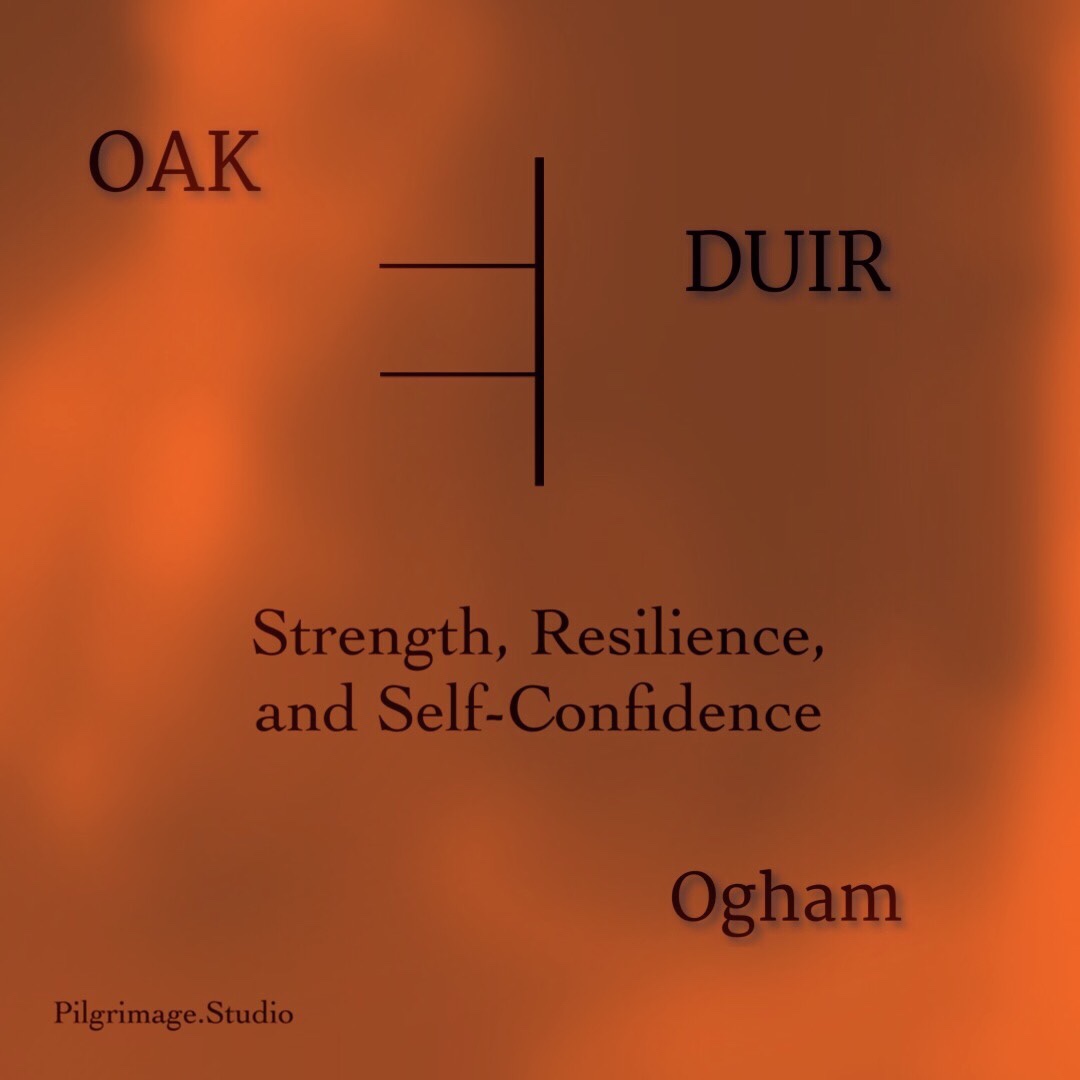
Once upon a time, in the ancient land of Duir Forest, stood a mighty tree who was the King of his woodland home. His stature was so great that his long arms reached up to touch the stars and his roots wound down through the deepest secrets of the soil, embracing the earth dragon resting far below in earth’s keep.
It came to pass, in the 500th year of his reign over Duir Forest, that there arose a terrible storm which battered and gusted the subjects of the entire realm, great and small. The mighty King of Duir was struck a terrible blow as lightning crisscrossed the angry sky, and he fell with a tremendous crash that shook the woodland kingdom to its roots. The subjects of Duir Forest threw up their hands and bowed low with grief at the loss of their sheltering King, who by his height and girth, had protected his subjects from the terrible storm.
Many years passed, and then one day a Priest came walking through the land of Duir Forest. He sat for a time in meditation and prayer by the side of the great fallen King, and as inspiration filled his heart, he took out a sharp blade and began to carve into the sacred wood.
As the priest continued to visit the forest each day, he carved deeper and deeper. He chiseled through many layers, until within its depths, he found preserved, the purest wood, untouched and without a single blemish.
Holding this treasure in his hands, he molded and crafted a lyre so beautiful it was beyond compare. However, with some despair, he later discovered that there was not a single musician who could play it. But, being a treasure of such beauty, the priest offered the lyre as a gift to the human king of a castle nearby.
For many years, the beautiful lyre was treasured and coveted, but there was not one musician who could make it sing. The harder they tried, the more discordant a gnash of noise it made.
Finally one day, a prince from a foreign land, and master musician, came to visit the human king, and taking up the lyre, he gently drew out with tender caress, the powerful voice that had rested within.
The prince sang of the great Mother and her seasons, lakes and chuckling springs. He sang about mighty mountains that reached their heads far up into the clouds, and spoke with Father sky.
Once again, the sweet whispers of spring caressed the forest King’s face, awakening the bubbling laughter of the streams. He remembered newly-formed buds of promise, and the scent of damp earth in the rain.
Awakened also were the dreamy days of summer where the chatter and hum of the insects mingled with a birdsong chorus, one hundred voices strong.
Autumn now rises in the King’s heart, vibrant in its oranges, reds and yellows. Its frozen dewdrop mornings gleaming with the hint of frost’s first touch.
Then snowflakes touched the great King’s skin as winter came once more, and hailstones knocked upon his branches with a fierce and icy roar.
The prince then changed his tune, and began to sing of deepest love. The forest saplings began to sway like lovers dancing and blushing at their thoughts. But a shadow darkened the woodland floor, bringing with it little sign of hope.
The tune changed again, and the fair prince sang of battle cries he himself had never heard, and of clashing swords and battle-torn earth he had never seen. But, the lyre sang out his song more fiercely, telling the tale that only he could sing:
The human King, amazed through and through, inquired of the prince, “Good sir, how does this lyre play only for you? What is the secret of its song?”
“Good King” the prince replied, “Others sang about themselves. They wanted to sing their own song. But I let the lyre sing the tale: the one its heart knew all along.”
“…The master calls forth notes we know not of. Memories long forgotten all come back to us with a new significance. Hopes stifled by fear, yearnings that we dare not recognize, stand forth in new glory.” –Kobori-Enshiu
The tea-master, Kobori-Enshiu, also left us these memorable words:
“Approach a great painting as thou wouldst approach a great prince.”
“In order to understand a masterpiece, you must lay yourself low before it and await with bated breath its least utterance.”
The Book of Tea by Kakuzo Okakura
I have had the Book of Tea for many years. I loved the story “Taming of the Harp” and recently when I read it again, I just had an urge to weave a story of my own around the message Kobori-Enshiu gave through his work.
I don’t have any other stories that I’ve written. I edit them out of existence. Maybe this one will be the survivor!!
This lone story shouts, “I Will Survive!”
 Pilgrimage Studio