Tag: wellness

  • Post-It Notes 15

    Post-It Notes 15


    “Hygge moments are the small everyday moments that make you happy. The best of them are bright and shining like stars. Having a word for it makes you aware that they are right in front of your eyes. Ready for you to collect.”

    Hygge – The Danish Art of Happiness by Marie Tourell Soderberg

  • Palm Tree

    Palm Tree

    by Beth Haley

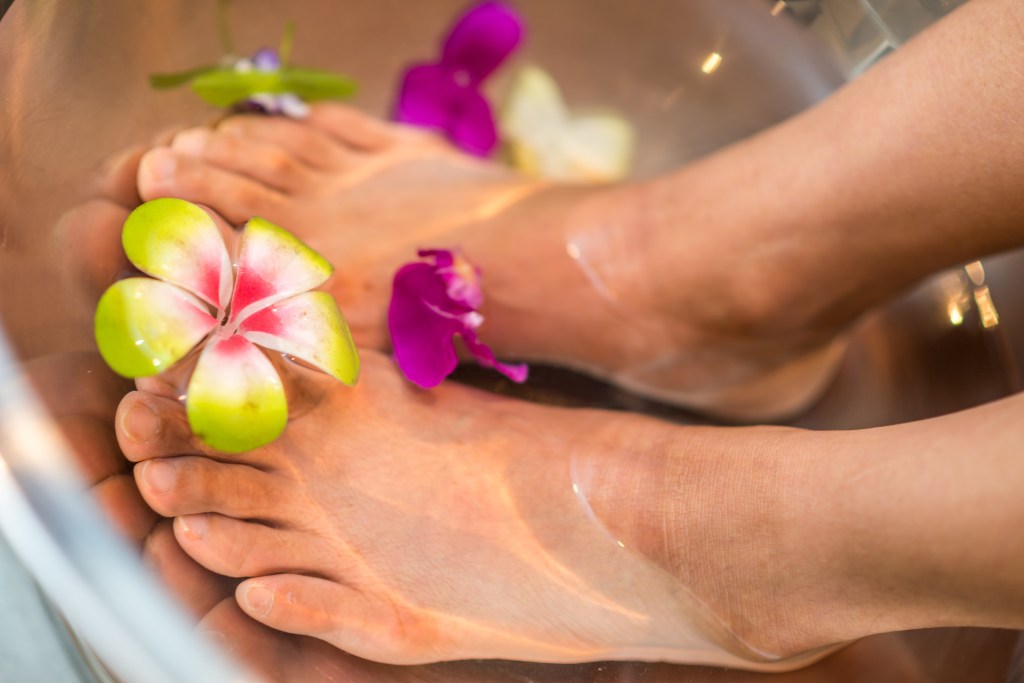
    A great exercise to strengthen your ankles, and calves as well, is the Palm Tree.

    Sit in a chair, or stand in Mountain Pose with your hands lightly touching a wall. As you inhale, raise your heels up as far up as is comfortable. Exhale and bring them back down. Repeat 5 to 10 times


    For more foot exercises see : Medical News Today

    Photo by Rune Enstad

  • Music Therapy 5

    Music Therapy 5

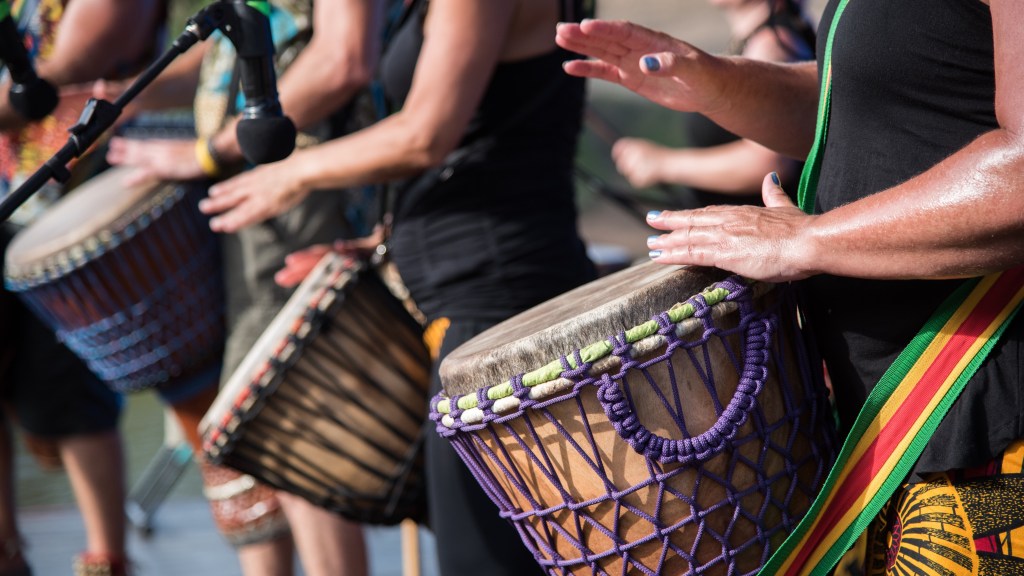
    “When our hands connect with a drum that vibrates with our energy, vitality, emotion, exhilaration, hope, sensitivity, giving, sharing, and unity, we become whole again.” -Barry Bittman, MD


    Beginner’s Drum Class

    We were a small group this time, but we’re learning new rhythms!


    The Photo used in the video is from Lee Pigott

    Pixabay

  • Zen Retreat

    Zen Retreat

    by Beth Haley

    Sleeping Quarters

    Turn your sleep space into your very own Zen Retreat! Find the tone, the mood, and the ambiance that makes it your peaceful haven and vacation from life.

    “A good laugh and a long sleep are the two best cures for anything.” -Irish Proverb


    Sleep is such a huge key for our health. I wish you peaceful rest.

  • Post-It Notes 12

    Post-It Notes 12

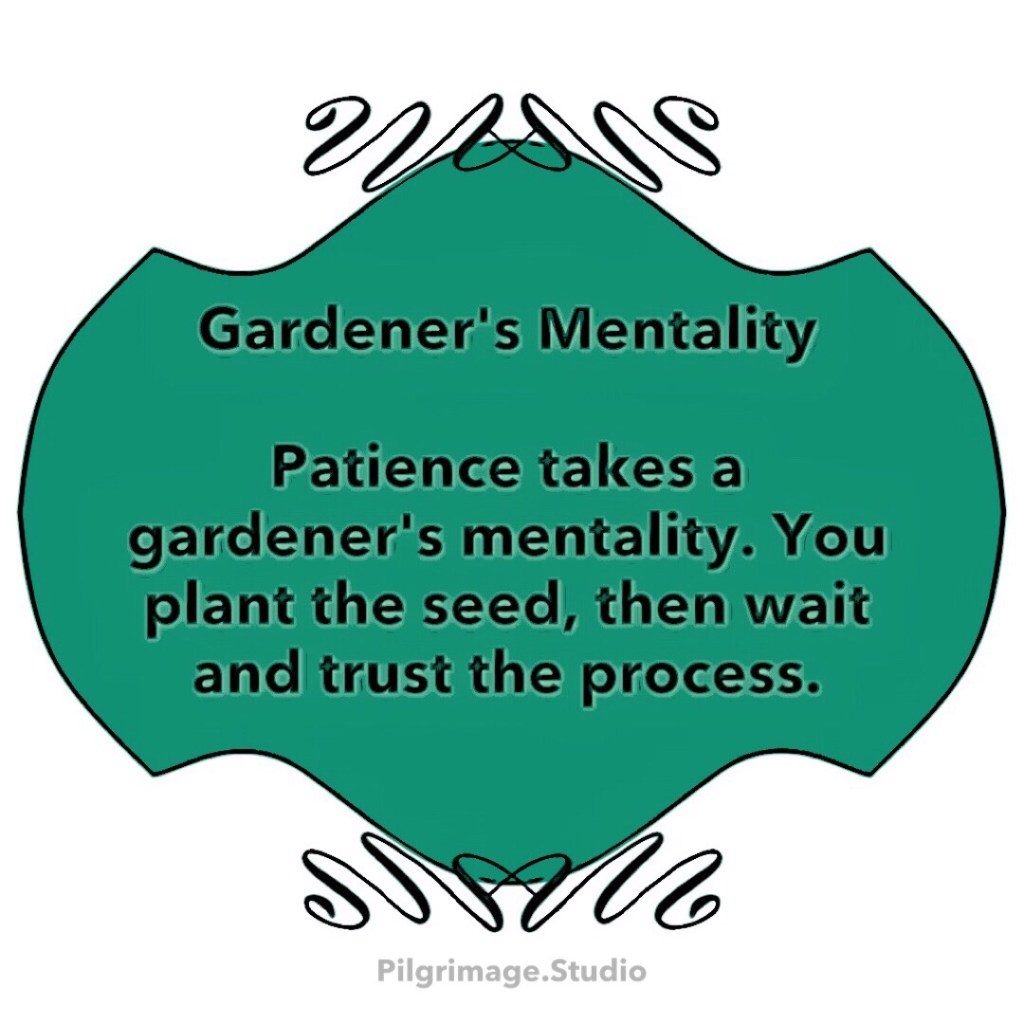
    Patience takes a gardener’s mentality. You plant the seed, then wait and trust the process.

    Know that growth is happening, even when you can’t see it right away.


    Photo@Pixabay

  • Set your Mind and Heart

    Set your Mind and Heart

    by Micah

    My son recently made this video. The view sure made me homesick. I’d love some of that sand between my toes right now! Thank you Micah for all that you are. ❤️❤️❤️


    I don’t know what inspires me more: your words or that you are saying this at age 20.

    All my love, Mom

    Ps. I wish I could move like that!


    Photo@Unsplash

  • Coherent Narrative

    Coherent Narrative

    by Beth Haley

    I was asked the other day, “How do you make sense of your past?”

    My initial response was:


    What does it mean, “to make sense of your past?” I really didn’t know what to say and so the quest began. Making sense of our past could begin with this question:

    How do we explain who we are in the present?


    How we feel about the past shapes our present.


    How do we feel about the past?

    What is our understanding of why things happened the way that they did?

    What has been the impact of past events on our development?

    These answers tell our story. Especially, the story we tell ourselves. This story can show how the past may be limiting us today. Which is why this question is asked:

    “How do you make sense of the past?”


    Why else would we want to make sense of the past?

    “…if you don’t make sense of your life and you’ve had really, really difficult things in the past, the research shows that you’re likely just to repeat them.”

    -Dr. Dan Siegel


    This explains why this question could be asked, so my question is: How does one do this?

    I found this writing prompt today for writing a coherent narrative of the stories from your past. It is at, Psychalive.org


    “Making sense is a source of strength and resilience. In my twenty- five years as a therapist, I’ve also come to believe that making sense is essential to our well-being and happiness.”

    Daniel J. Siegel, M.D. Mindsight: The New Science of Personal Transformation 2010, New York, NY: Bantam Books


    Photo@Unsplash

  • Greatest Risk Factor to our Health

    Greatest Risk Factor to our Health

    What is the greatest risk factor to our health?

    From 1955-1961 there was a research study done in Roseto, Pennsylvania. The study was to determine why the population didn’t have the same rate of heart disease that was seen in the rest of the states.


    “There was no suicide, no alcoholism, no drug addiction, and very little crime. They didn’t have anyone on welfare. They looked at peptic ulcers. They didn’t have any of those either. These people were dying of old age. That’s it.”

    -John Bruhn, Oklahoma sociologist


    Was it diet?

    They found that the people had a high fat diet, such as meatballs fried in lard. They were obese, didn’t exercise, and smoked.

    So what was the difference? Lissa Rankin discusses this study on TEDx.


    The #1 Public Health Issue Doctors Aren’t Talking About | Lissa Rankin, MD | TEDxFargo


    A Lesson on the True Cause of Heart Disease

    The Roseto Effect

    About Lissa Rankin

    Whole Health Medicine Institute

    LisaRankin.com

    Photo@Unsplash

  • The Cook’s Cryptogram

    The Cook’s Cryptogram

    If: e = a and z = n

    Xpr jez bovmm emhpqs ezx lnbnsefmn vz san plnz, ezc vs hegnq e cnmvjvprq ezc neqx qvcn. Qmvjn sanh, qdonec sanh prs pz e jppgvn qanns, ezc covttmn e mvssmn pmvln pvm, e kelpovsn japddnc anof, ezc qphn qems ezc dnddno plno san spdq. Dmejn vzsp e aps plnz (400 cnbonnq). Nydnovhnzs wvsa cvkknonzs qneqpzvzbq ezc aeln krz nesvzb wnmm!


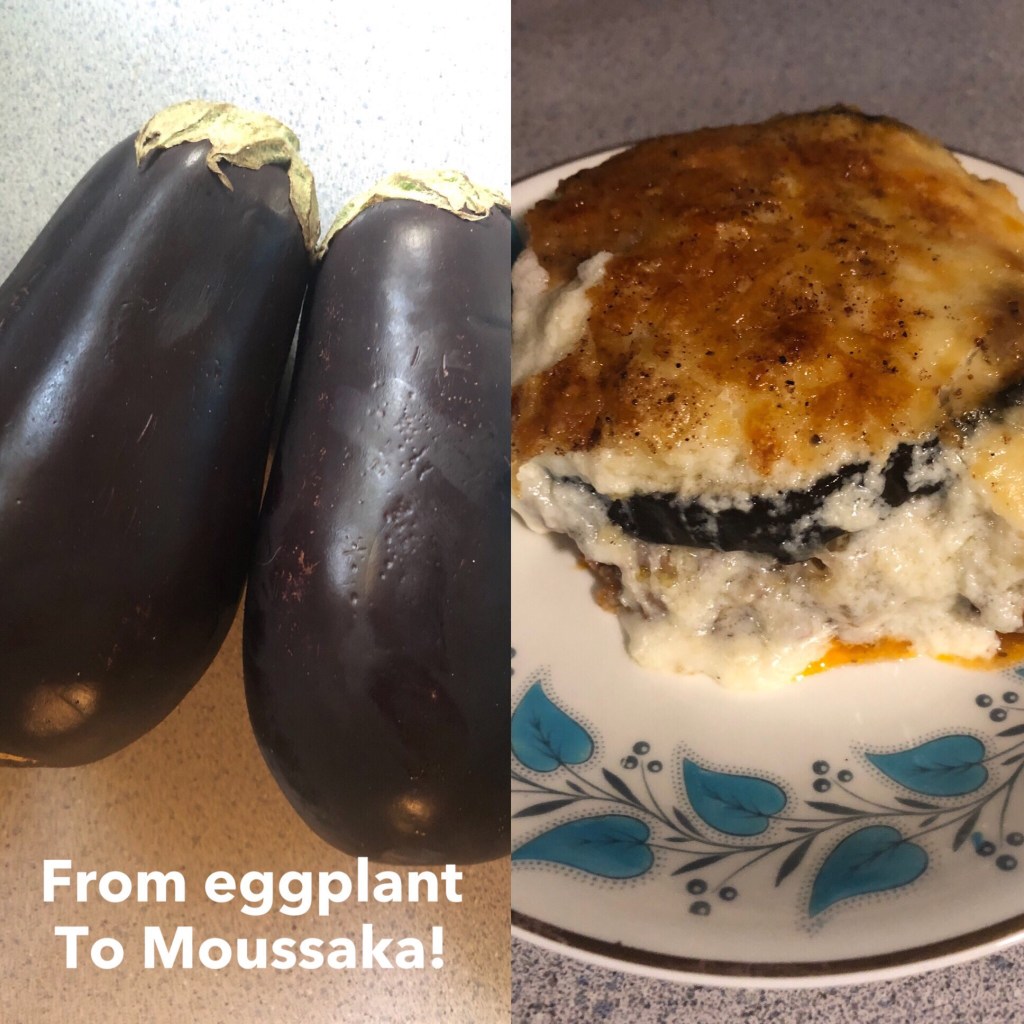
    My favorite to roast of late has been eggplant to make Baba Ganoush and Moussaka with.


    Cryptogram Tips

    The Last Code Breaker Winner!

  • Worth

    Worth

    by Beth Haley

    How do we determine worth? Why do we relate our worth as a person, many times, to our net-worth? Since our worth as an individual never changes, why do we so often base our personal worth on temporary things?


    Self-Worth

    Self-worth, as defined in the dictionary, is a sense of your value or worth as a person. It is your opinion of yourself. There are many ways to value yourself and define your worth.

    • Can you take credit for your work?
    • What do you value?
    • Would you associate your success with luck, or your talents and hard work?
    • What is your response when someone gives you a compliment?
    • Do you assume that others know more and can do more than you?
    • Do you believe that you deserve good things?

    Net-worth

    Net-worth is associated with assets and what we own compared to what we owe. Assets could include such things as property and money.

    To determine your net-worth, you would list your assets (what you own, savings and income) and subtract your liabilities (what you owe) from your assets.

    • How do you feel about your income, finances, and net-worth?
    • What are your values regarding money?
    • How do your spending habits support your values?
    • What amount of income feels comfortable?
    • Is there such a thing as, “too much” money?
    • How much money is too little?
    • Do you save without allowing for spending?
    • Do you spend without saving?
    • Growing up, what were some family attitudes surrounding money and happiness?
    • What emotions surround your view of money? (Stress, Joy)
    • On a scale of 0-10, where 0=scarcity and 10=abundance, what do you feel is your mindset regarding money?
    • Why do you have this view?
    • How can you link your spending habits with things that bring you joy?

    Is your self-worth dependent upon your net-worth?


    Our mindset surrounding money can create barriers to abundance in the same way as our mindset surrounding our self-worth can create barriers to confidence and success.

    For example, if you have struggled with self-worth or with finances in the past, despite a change in circumstances, sometimes those fears and the mindsets of lack can still hang on. Sometimes our minds don’t make the shift.


    At whatever stage we are at, we can begin to re-train the mind toward an abundance mindset. Both, in how we perceive our self-worth and in how we look at net-worth.


    What if our self-worth was bankable: non-ending funds and resources. Because that’s what our personal value is. It is intrinsically branded within each of us. It is beyond measure and never-ending.

    How much is in your self-worth bank account?

    And, what if our assets, or net-worth, were possessions such as kindness, love, and respect. Respect for all life. Respect for our planet.

    How would this change the world?


    Intrinsic Worth:

    Inborn

    Natural

    Built-in

    Deep-rooted

    Permanent

    Ingrained


    Photo@Unsplash