There is a Fountain of Youth: It is your mind, your talents, the creativity you bring to your life and the lives of the people you love. When you learn to tap this source, you will truly have defeated age.
Sophia Loren
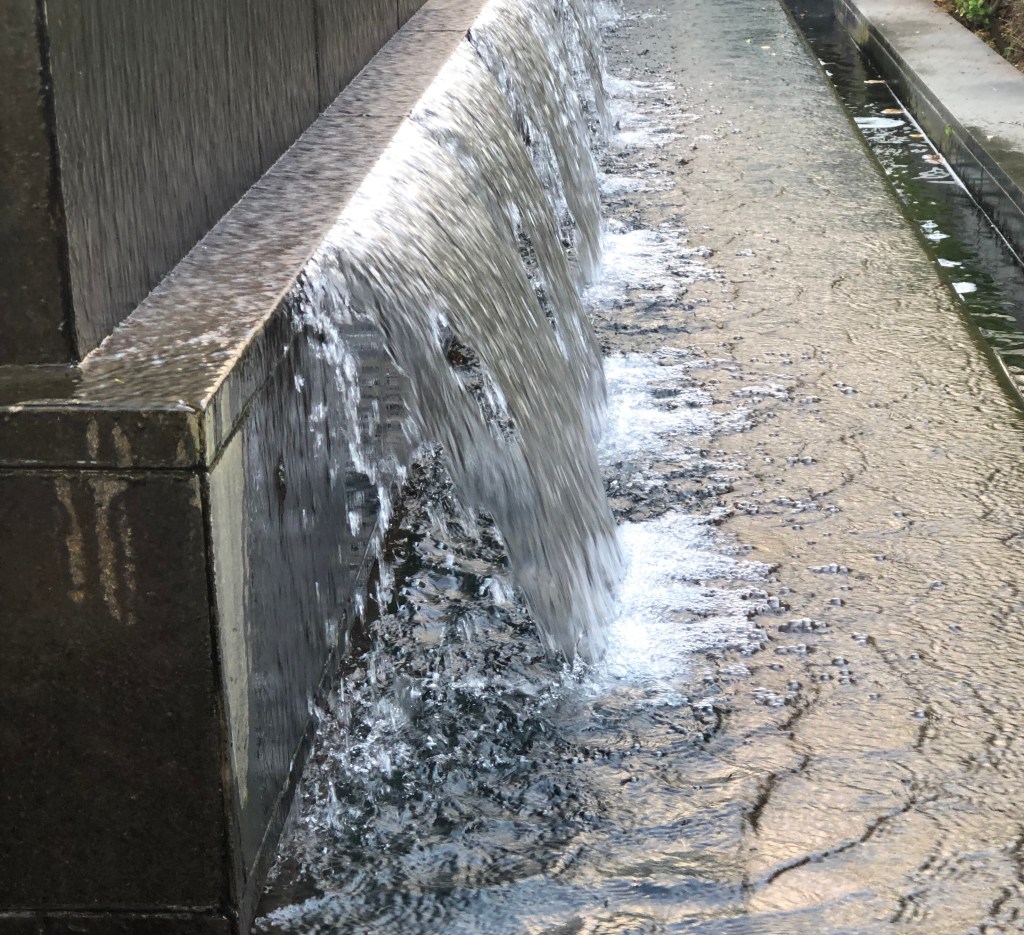
There is a Fountain of Youth: It is your mind, your talents, the creativity you bring to your life and the lives of the people you love. When you learn to tap this source, you will truly have defeated age.
Sophia Loren
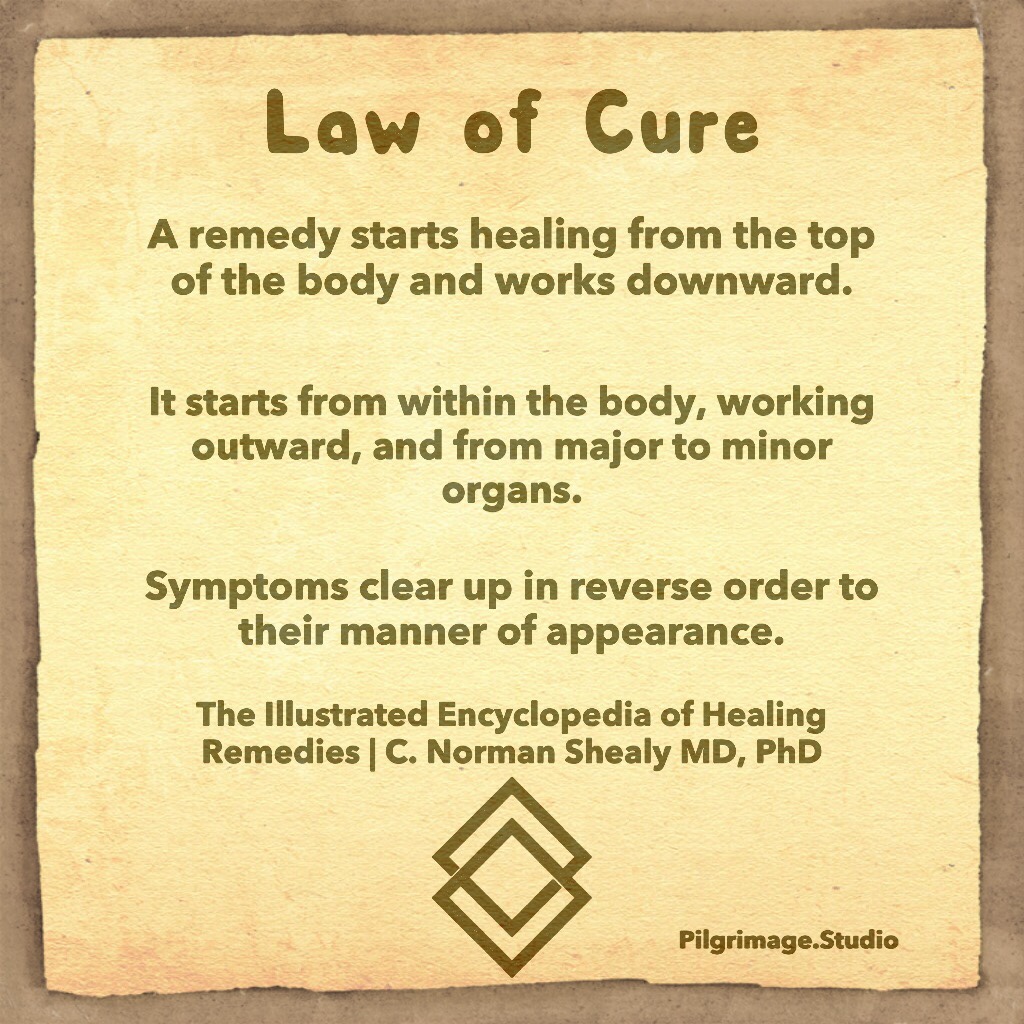
Hering believed that: healing begins at the deepest part of us – such as our minds and emotions and major organs – and then works outwardly to our extremities – that symptoms appear and clear up in reverse order to their original order of appearance, and that we heal from the upper parts of the body downward.
“The cure must proceed from centre to circumference. From centre to circumference is from above downward, from within outwards, from more important to less important organs, from the head to the hands and feet…Every homœopathic practitioner who understands the art of healing, knows that the symptoms which go off in these directions remain away permanently. Moreover, he knows that symptoms which disappear in the reverse order of their coming are removed permanently.” – Hering’s Law of Cure
Canadian Academy of Homeopathy
“Hering read through the works of Dr. Hahnemann; he felt challenged by Hahnemann’s words and set out to disprove his writings, but as he conducted his own experiments, he became convinced that Hahnemann’s conclusions were accurate.”
The first Law of Cure (similia similibus curantur) is considered to be ‘Like Cures Like.’
The second Law of Cure is Hering’s Law, which focuses on the direction that symptoms disappear during cure.
by Beth Haley
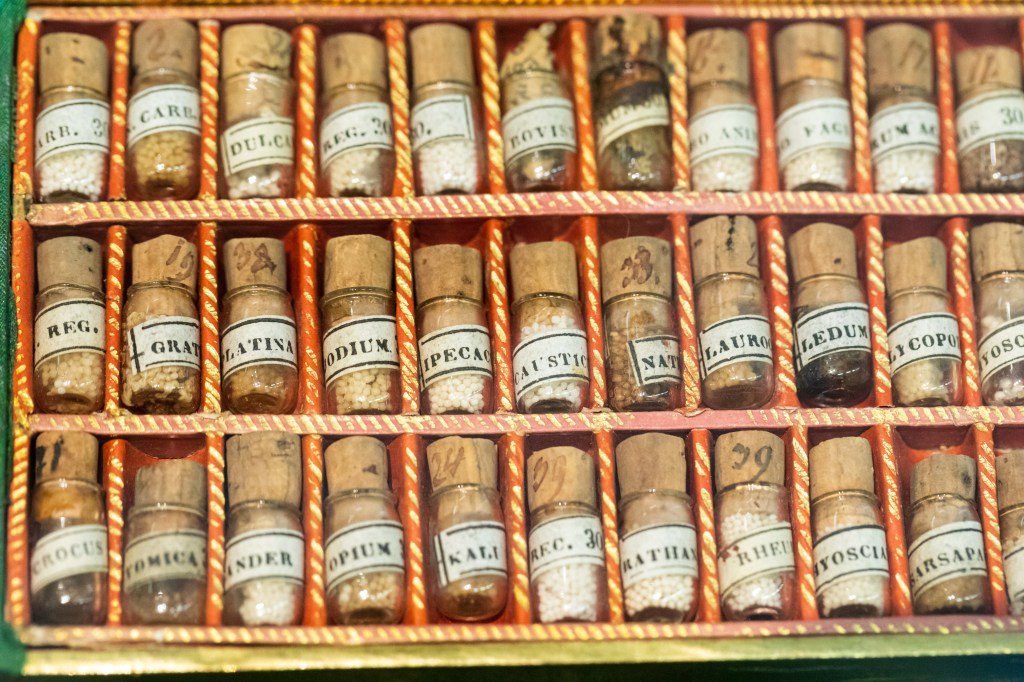
In the 5th century B.C.E., the Greek physician Hippocrates, known as the “Father of Medicine,” was first to understand the principle of treating the body with a remedy that produces similar symptoms to the ailment that was suffered. He studied the symptoms, how a person reacted to an ailment and their own ability to heal, to diagnose and then choose a cure. Through his work, he developed his own homeopathic remedies.
However, it was the German physician, Samuel Hahnemann (1755 – 1843), who first developed homeopathy as we know and practice it today. Hahnemann was a physician, author and chemist. He noticed that the methods of treatment at that time were often more debilitating than the disease, and that these practices were not working.
Hahnemann was one of the first physicians to advocate for improved diet, fresh air, and better hygiene. However, he did not generate much support and so he gave up his medical practice and became a translator of medical texts in Leipzig. One text was called, “A Treatise of Materia Medica,” by Dr. William Cullen of London University. Cullen wrote about quinine (an extract of Peruvian bark), and credited its ability to heal malaria to its astringent properties. Hahnemann knew that quinine was an effective remedy for malaria, but didn’t believe that it was because of its astringency. Thus began Hahnemann’s exploration of how quinine helped with malaria.
He began to take doses of quinine, recording his reactions, and found that he developed all the symptoms of malaria (palpitating heart, irregular pulse, sleepiness, and thirst), despite the fact that he did not have malaria. Every time he took a dose of quinine, the symptoms returned. He deduced that it was quinine’s ability to produce malarial symptoms that made it an effective treatment. He also tested doses of quinine on others with the same results.
Thus the idea behind the phrase, “Like cures Like,” was born.
Substances causing similar symptoms, stimulate a healing response, giving the body what it needs to do its healing work. This healing reaction is called ‘vital response’.
Substances gathered as ingredients for homeopathic remedies can actually be very harmful as they are. Where do antidotes come from? For example, antidotes can be made from snake venom, which from a bite, can be lethal. But turned into medicine, they can heal the same issue that was caused by the venom originally. They can even heal issues that have similar symptoms such as skin eruptions.
Example: Bees are used to make a remedy called Apis Mellifica which can bee helpful in treating rashes that burn and “sting.”
A friend of mine used to have a terrible time with scabbing and flaking on her scalp. She noticed that when she traveled to different areas and showered in different water, that her scalp would clear up. She said it happened by the coast, and that the water smelled like sulfur. I happened to have some homeopathic Sulfur, and when she took it, her scalp cleared up. She found that taking it a few times a week kept her scalp clear.
A substance that can cause extreme skin discomfort (such as burning hives), in a minute homeopathic amount, caused a healing reaction for her scalp condition.
Sources:
The Illustrated Encyclopedia of Healing Remedies by Norman Shealy MD, PhD
Photo by Zdenek Machacek
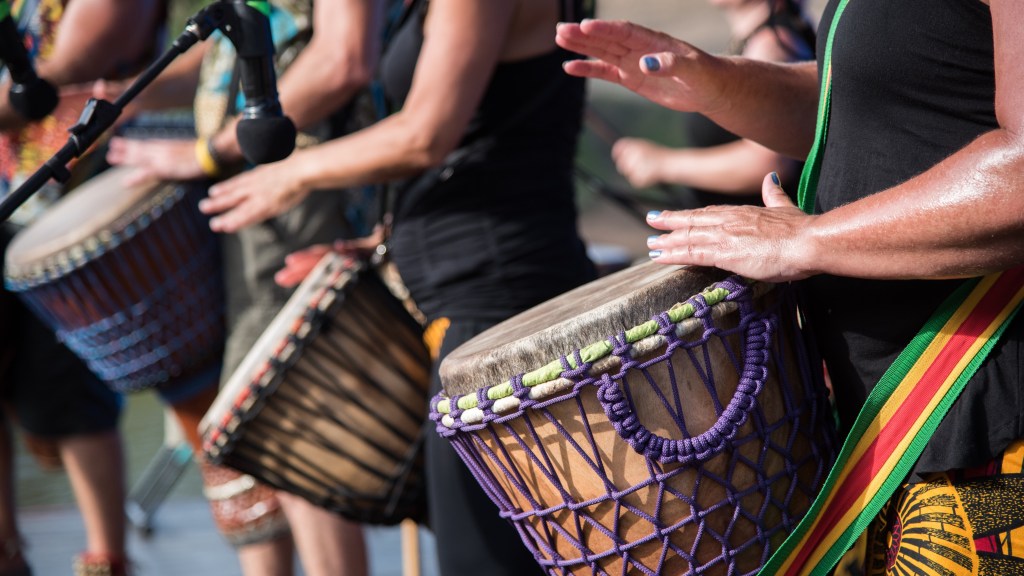
“When our hands connect with a drum that vibrates with our energy, vitality, emotion, exhilaration, hope, sensitivity, giving, sharing, and unity, we become whole again.” -Barry Bittman, MD
We were a small group this time, but we’re learning new rhythms!
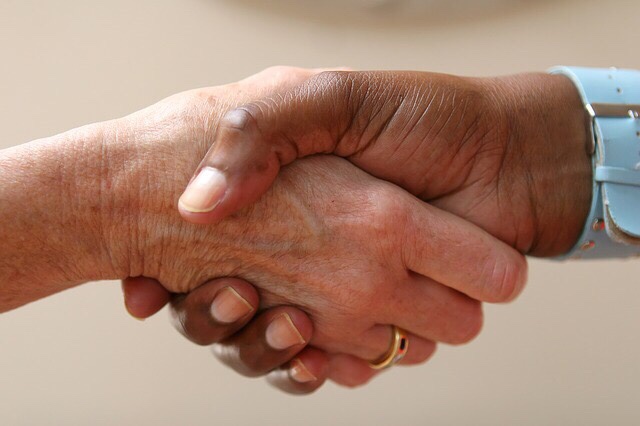
The Photo used in the video is from Lee Pigott
by Beth Haley
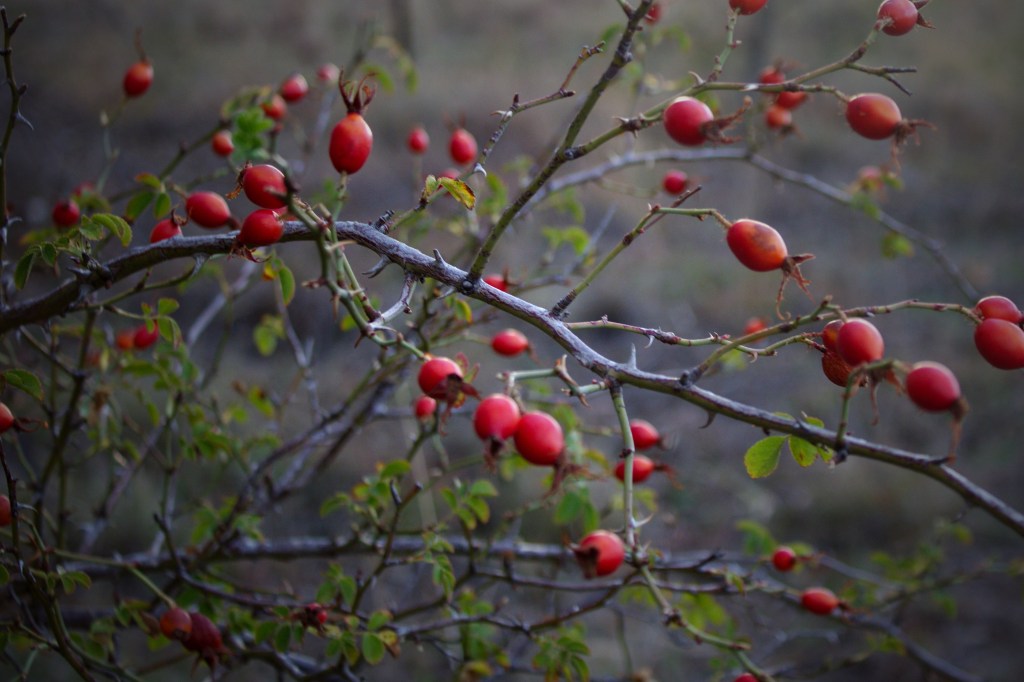
Rose hip seed oil is different from rose essential oil which comes from the rose petals. Rose hip seed oil is found in the rose fruit left behind when the flowers have finished blooming, and does not contain the typical rose fragrance found in the flowers. Rose hip seed oil goes rancid quickly, and should be stored in a cool, dark place or stored in the refrigerator.
This oil was used by ancient Egyptians, Mayans and Native Americans because of its healing qualities, and was even used as a wound healer. Today, most of the oil from the rosa canina rose bush, comes from Chile although it is also grown in parts of Europe, Northwest Africa, and Western Asia – or from the sweetbriar and musk rose in the Southern Andes.
It has been called a “dry” oil because it absorbs quickly into the skin and helps to return the skin’s natural balance, making it a good choice for all skin types.
Vitamin E – known for calming and hydrating dry and sensitive skin
Essential fatty acids such as omega 3, 6 and 9 – known to help repair skin and help with skin cell regeneration
Vitamin C – known for its skin-brightening properties, can help improve the appearance of pigmentation (age spots/ dark spots) and restores skin tone
Vitamin A – also known to improve skin tone along with improving the skin’s texture
Both vitamins A and C are beneficial in the production of collagen, which we make less of as we age. This makes the oil a powerful anti-aging addition to your skin care regimen. Synergistically, vitamins A, C and E help to combat the visible signs of sun damage and reduces the harmful effects of UV exposure.
Rose hip seed oil helps to hydrate, moisturize, brighten and replenish your skin. Its anti-inflammatory properties have been helpful for acne, rosacea, psoriasis, eczema, and dermatitis. It softens skin and gives a brighter and more radiant complexion while also reducing the appearance of scarring, stretch marks, fine lines and wrinkles.
Test rose hip oil on a small patch of skin before using. After a day, if the skin does not show any irritation it should be safe to use elsewhere.
Cold pressed, organic rose hip seed oil is recommended for its purity and quality of benefits.
Note: If you are allergic to roses, chances are you’ll also be allergic to the oil, so make sure and do the patch test if in doubt.
Rose hip seed oil can be used as a carrier (or base) oil to which you can add essential oils to.
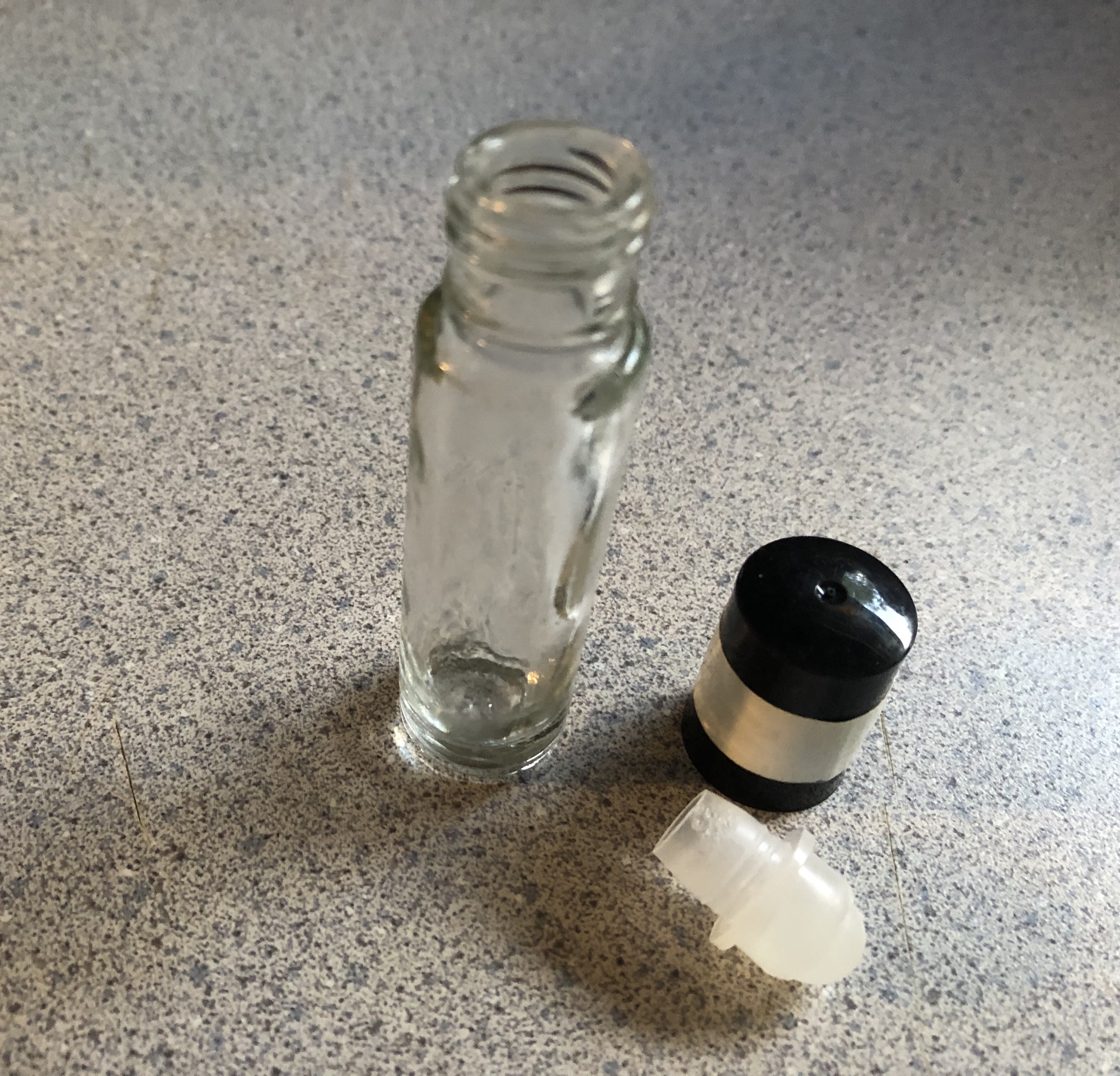
This bottle has been disinfected, as you would do for baby bottles. To this I will add mostly rose hip oil and a few drops of frankincense essential oil. Frankincense also helps to rejuvenate, tone and firm. It balances oily/dry skin, helps deter wrinkles, and is healing. The roller bottle makes it easy to apply the oil to face, neck, and hands before bed.
Store in a dark cupboard or refrigerator. You can roll some of this oil onto the palms of your hands and let it warm up before massaging it into your skin.
Sources:
We hear it in the water
Flowing into the fjord
Blood of this earth
Soul of our soul
We hear it in the wood
Dancing in the fire
Passion and form
Bone of our bone
We hear it in the iron
Muscle and grit
Earth born
Strength of our strength
We hear it in the stone
Shards in soil
Flesh of our flesh
Earth of our earth
A song for water
A prayer for wood
A dance for fire
A call for Iron
Drums beat for stone
I send a prayer for the caretakers of a sacred land, and a prayer for the land, which is in the hands of caretakers.
For those who have been in the grips of the storm. And, even more: a prayer for people in the hands of hate.
by Beth Haley
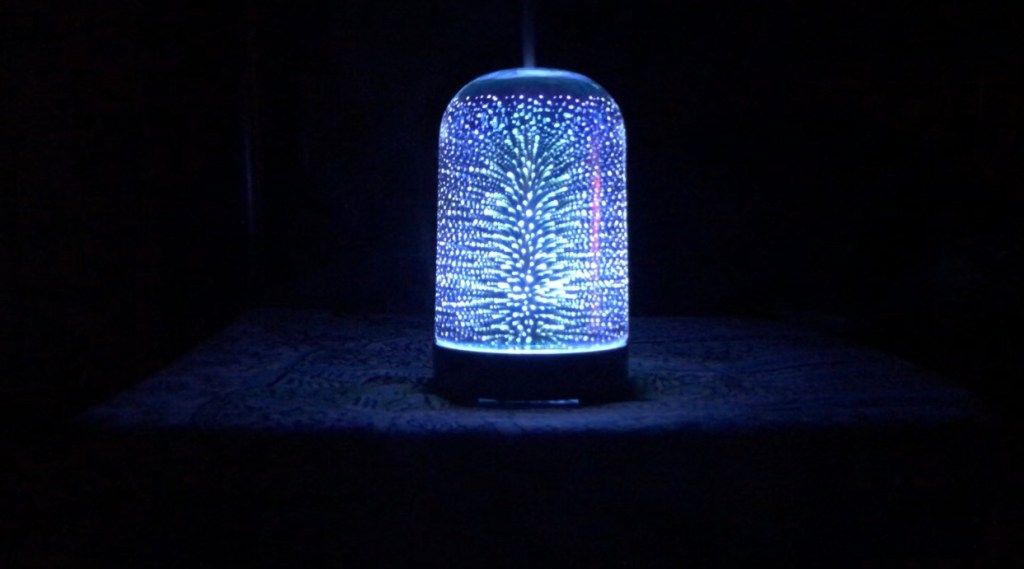
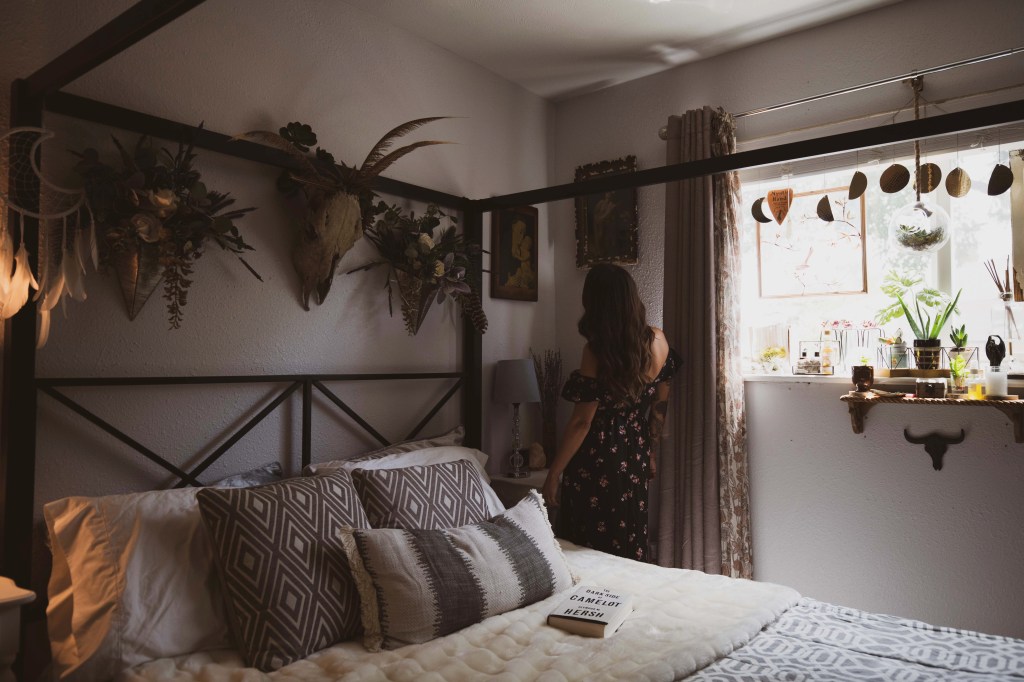
Turn your sleep space into your very own Zen Retreat! Find the tone, the mood, and the ambiance that makes it your peaceful haven and vacation from life.
“A good laugh and a long sleep are the two best cures for anything.” -Irish Proverb
Sleep is such a huge key for our health. I wish you peaceful rest.
by Beth Haley
Looking at the big-picture of health is to look at our health holistically. It’s what we eat but so much more. Elements such as sleep and relationships are just as important.
If you were to scan the whole picture of your health, what is one challenge you’d like to work on?
1. Write your challenge in the middle of a piece of paper.
2. Write down all the possible contributing factors around your challenge. For example, if your challenge is “sleep,” contributing factors may include not going to bed early enough, not taking enough time before bed to get into a relaxed state, atmosphere, stress, worry, or chronic pain – all things that could contribute to not getting enough quality sleep.
3. Choose a contributing factor and write down an action step you can take this weekend, and over the next week, that supports sleep, or your challenge area.
4. At the end of a week, notice any changes. How do you feel? Did anything change?
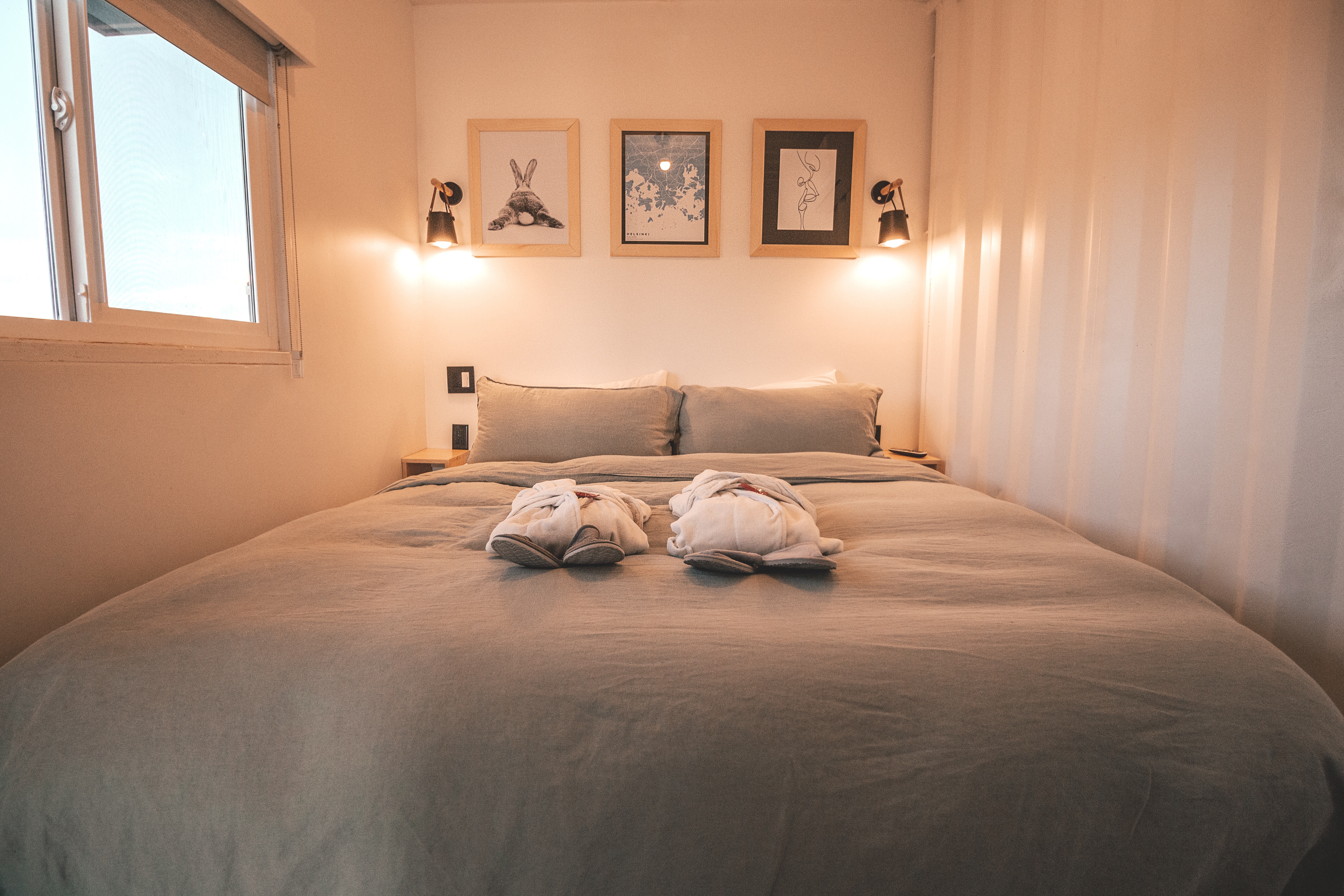
Preparing your sleep space is as important as preparing your mind and body for rest. Allowing the shift from the busy day to tranquil rest time, mentally and physically, is a process that continues as you step into your sleeping space.
Are the colors restful?
Do you need it completely quiet or do you need the sound of a stream flowing softly?
Is it dark enough?
What fragrances are restful to you?
Is there anything that causes a disturbance in this space?
Is the lighting right? Do candles help?
What makes your sleep space a restful retreat?
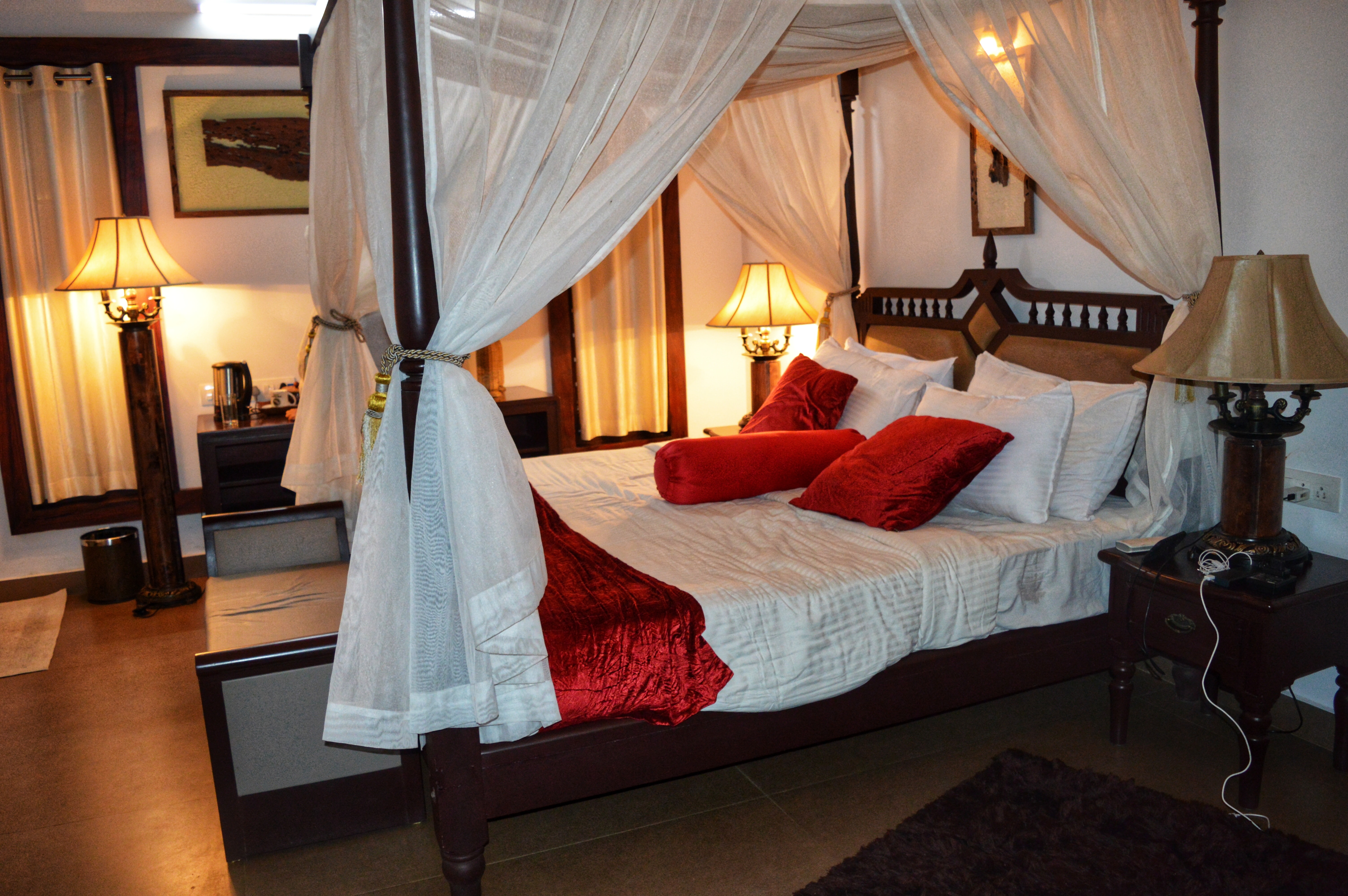
One disturbance to sleep I have remedied is with certain pets wandering in and out and making noise. They now have their own sleep room.
by Beth Haley
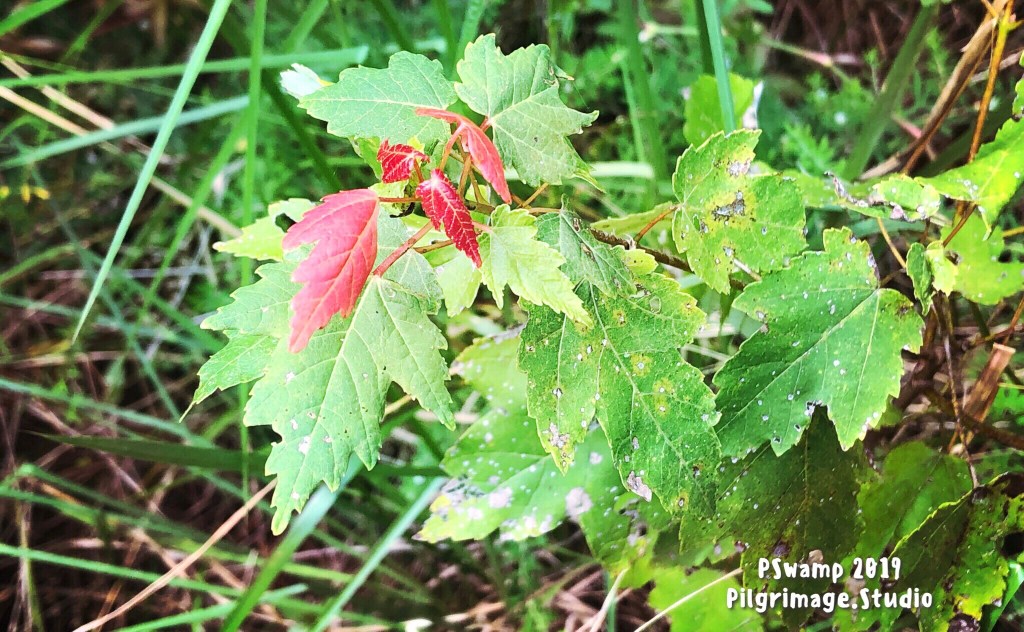
Walking through the swamp
I catch a glimpse of change
It’s in the air
Its stamped on the leaves
They show us how
Transformation is beautiful
From one form to the next
From new birth, to growth
From harvest to restful winter
Each season has a purpose
In nature and in life
Embrace each change
With the grace and beauty of autumn’s leaf
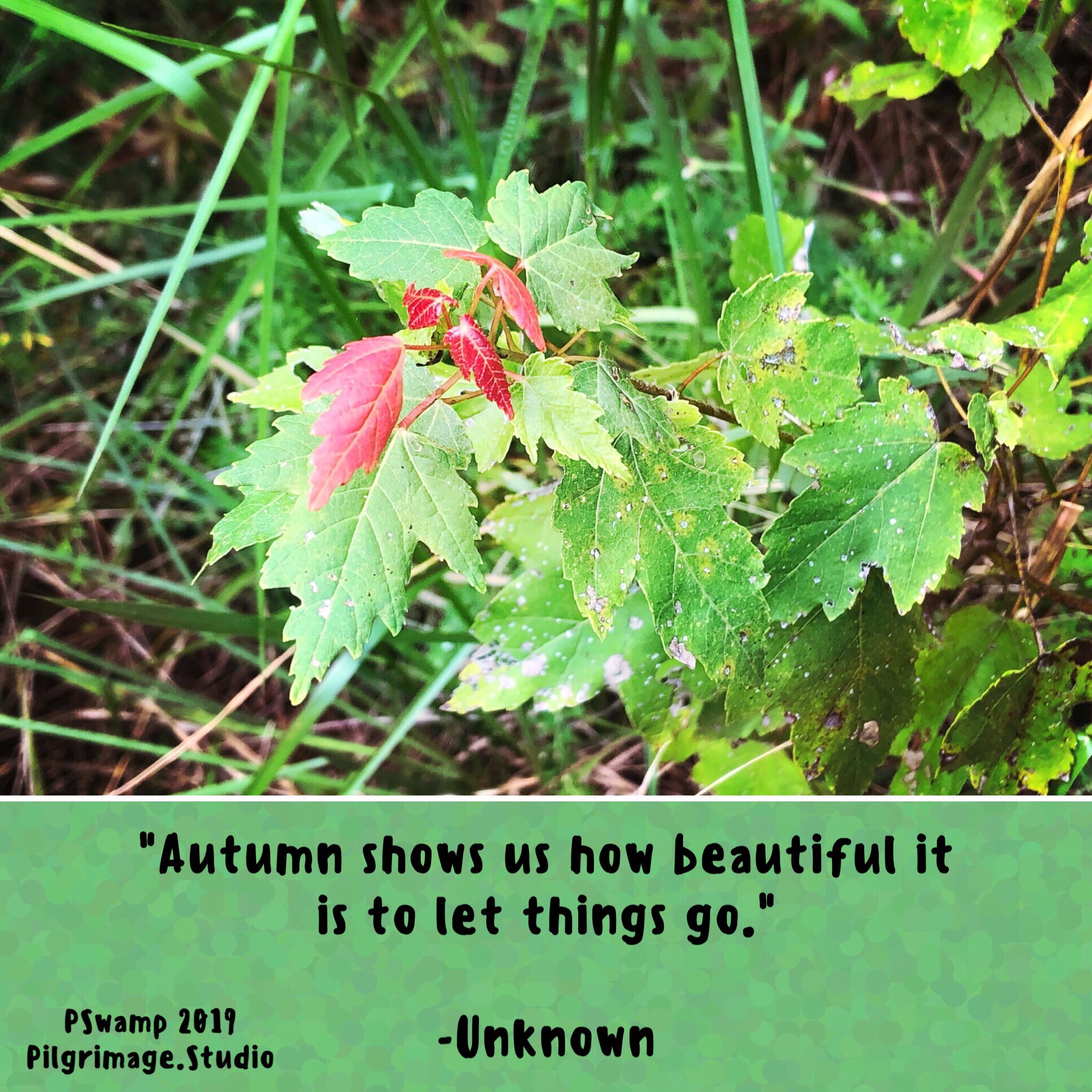
“Autumn shows us how beautiful it is to let things go.”
-Unknown
 Pilgrimage Studio